Construction · 12 min read
Construction Schedule Delays: 8 Causes, and the Habit That Prevents Each One
The eight places most construction delays come from, from late decisions to snowy steel, one habit for each and a ranking tool for your own project.
 Dennis AlejoBusiness consultant · Project & operations manager · · 2,552 words
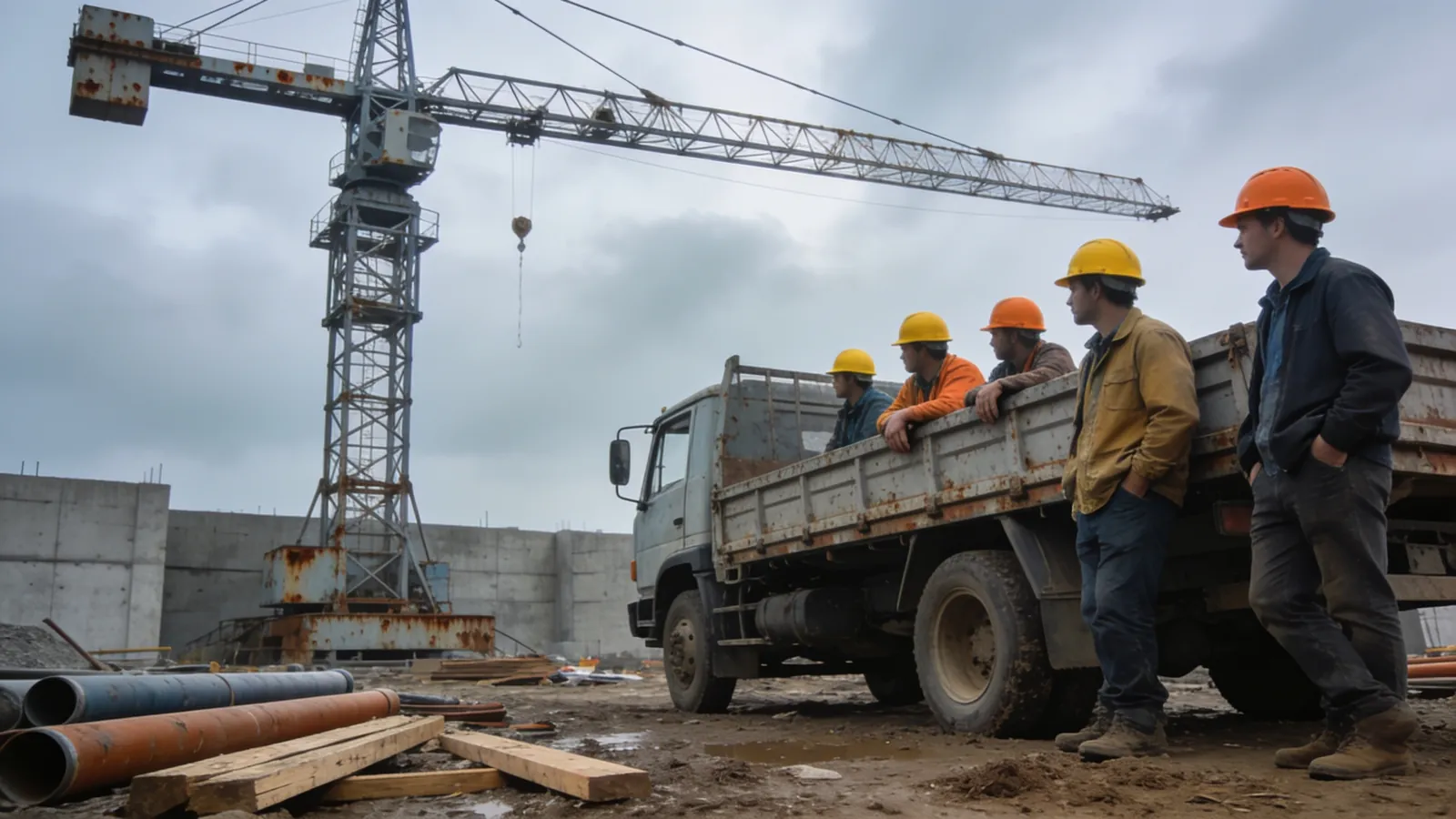
There is an old joke in engineering called the 90-90 rule: the first ninety percent of a project takes ninety percent of the time, and the last ten percent takes the other ninety percent. Anyone who has stood in a building that is "ninety-eight percent complete" for four months knows this is not a joke. It is a documentary.
Construction delays are special because they are so visible. A late software release is an email. A late building is a crane, a crew, a rental fee and an owner who has already told the bank, the staff and the guests an opening date. Every empty day on a site costs something: financing keeps running, rent on the old place continues, and the first customers keep not arriving.
The good news is that delays are not random weather events delivered by a mischievous universe. Most of them come from the same eight places. I have grouped them below, with the symptom, the quiet cause and one habit that keeps each one from becoming your next Tuesday. This is written for the owner's side of the table, but a contractor will recognize every line, usually with a sigh.
First, what a delay really is
It helps to separate three ideas, because they change what you can do about a delay.
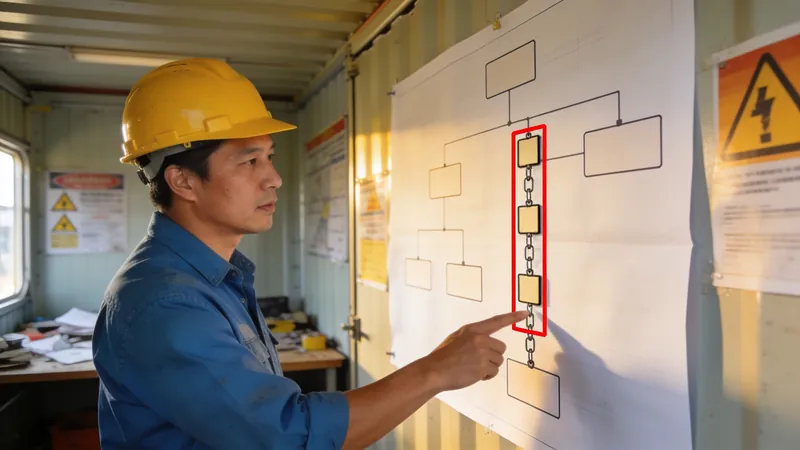
- The critical path. Every project has one chain of tasks that sets the finish date. If a task on that chain slips one day, the whole project slips one day. If a task off the chain slips, you may have float, meaning spare time, and nothing happens until the float is used up. If this is new to you, my guide to the critical path method has a worked example with a storage building and a calculator.
- Who caused it. Contracts usually sort delays into types. A delay the contractor could have controlled is generally treated differently from one caused by the owner, or by something neither could control, such as an unusually severe storm. Whether time or money is owed depends entirely on your contract and on the law where you build, so this is a conversation for your attorney, not for a blog post.
- Concurrent delays. Sometimes two causes happen together: the owner changes the design while the supplier is also late. Untangling who owes what is a headache, and the best cure is a clean record kept week by week.
Keep those three in mind, because the rest of the article is about the causes, and each cause lives somewhere on the critical path.
The eight causes (and one habit for each)
1. Decisions that arrive late
The symptom: the crew is ready, the material is on site and everyone is waiting for the owner to choose a tile. The "let me think about it" that took three weeks has a price tag and nobody sent you the bill.
The quiet cause: nobody wrote down which decisions are needed by when. Owners treat choices like shopping, and the schedule treats them like deadlines.
The habit: build a decision calendar at the start. A simple list: the decision, who makes it, the date it is needed by and what it blocks if it is late. Show it to the owner every week, in the same meeting where you review progress. The decision log in the toolkit is a ready-made format, and the RACI chart tells you who is accountable for each one.
2. Drawings that are not finished, or not coordinated
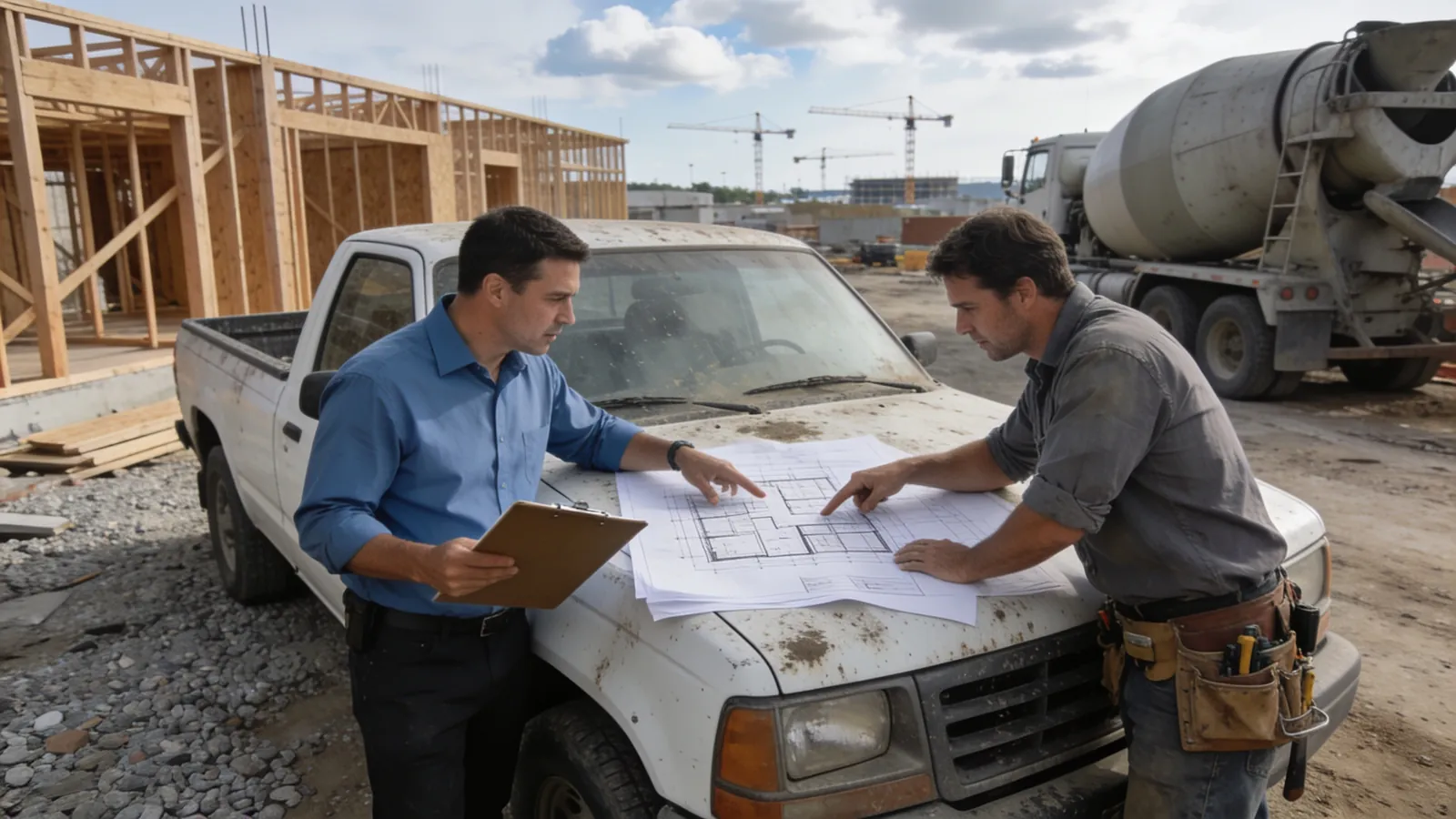
The symptom: a steady stream of questions from the field, called requests for information, or RFIs, and every answer takes a week. The pipe goes exactly where the beam is. The electrician finds out about the stairs on day 112.
The quiet cause: the project started before the design was ready, or the architect's, the structural engineer's and the mechanical engineer's drawings were never laid over each other. Surprises under the ground belong here too: unexpected soil conditions, old utilities, a forgotten foundation.
The habit: run a drawing check before the work begins and a short site investigation where the ground is uncertain. Set an agreed response time for RFIs, such as two or three business days, and track the average. If you do not have an engineer who reads drawings for a living on your side, this is the first reason to consider an owner's representative. I explain the role in what an owner's representative does.
3. Permits and inspections
The symptom: the work is done and the inspector has not come. Or the inspector came and found something small, and the re-inspection is on Thursday of next week. A start date slides because a permit is "in review".
The quiet cause: the schedule treats permits and inspections as instant, but they are queues run by someone else. Review times can be longer than you expect, and a failed inspection restarts a small clock.
The habit: put every permit and every required inspection in the schedule as a real task with a real duration, an owner and a "chase" date. Ask the authority for typical review times early. Request inspections a few days before you need them, and run your own pre-inspection walk the day before. The most inexpensive way to pass an inspection is to look for the failure yourself first.
4. Materials that take longer than the project
The symptom: the building is ready for its doors, and the doors are on a ship, a truck or a very long list. Specialized equipment, switchgear, custom windows, elevators and anything made to order are the usual suspects.
The quiet cause: nobody asked how long the item takes to arrive at the moment it could be ordered. Many orders also need submittals, which means approving drawings or samples before the factory starts, and that adds weeks that do not appear on any shopping list.
The habit: create a long-lead list in the first month: every item that takes more than a few weeks, with its order-by date counted backward from when it is needed on site. Confirm the order, the submittal approval and the delivery date in writing, and ask again a month before it is due. A delivery date is a promise made by a person, and persons need reminders.
5. Weather, and in Utah, winter
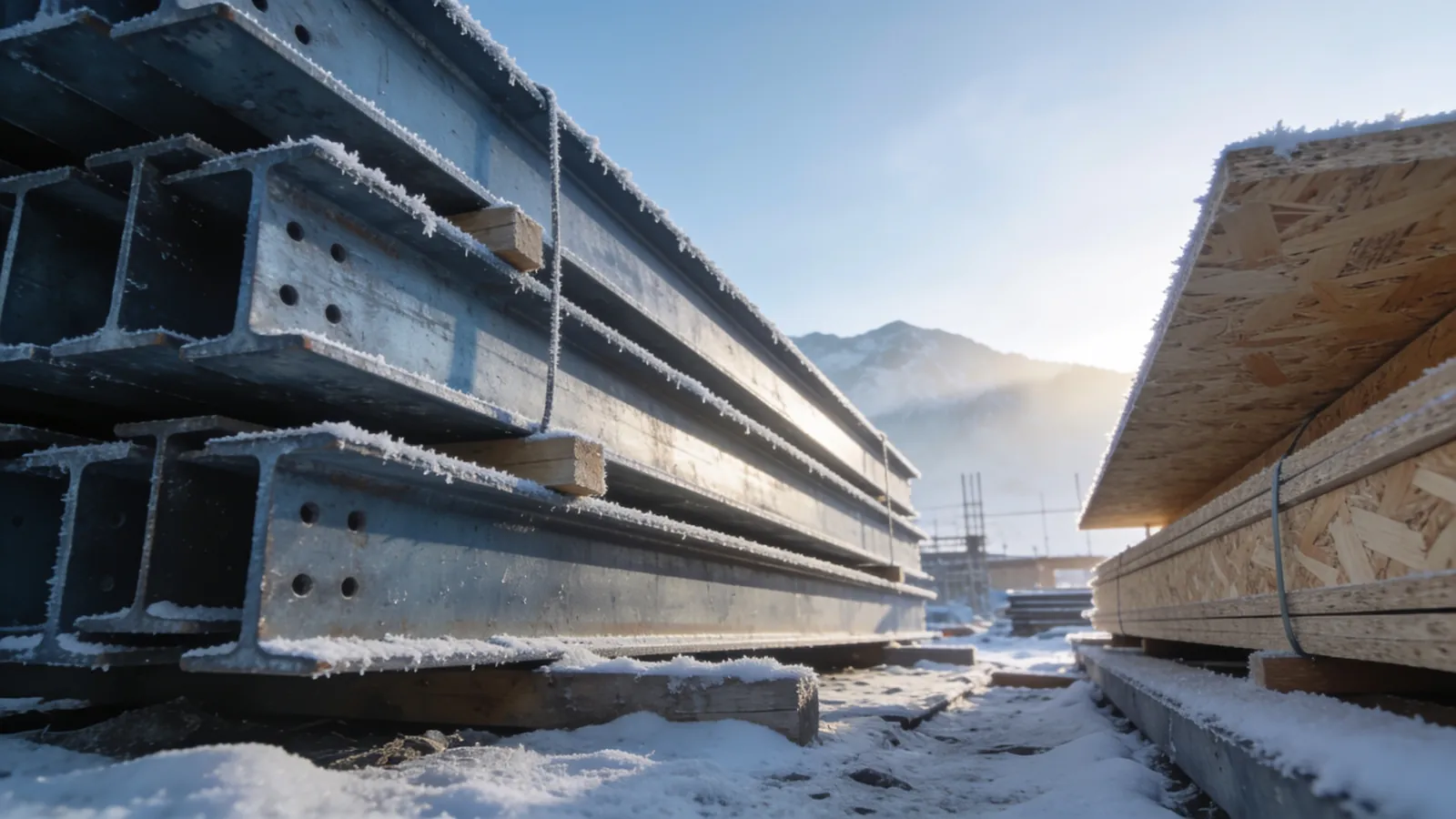
The symptom: snow on Monday, mud on Tuesday, wind on Wednesday that stops the crane, and a cold snap that makes the concrete crew look at the sky and not at the schedule.
The quiet cause: the schedule assumed an average climate, and the project lives in a real one. Concrete, roofing, paving, painting and excavation are weather-sensitive. Concrete in particular needs protection when it is cold: common guidance treats it as cold-weather work when daily temperatures stay below about 40 degrees Fahrenheit, which in northern Utah arrives earlier than people like to admit.
The habit: add a weather allowance to the weather-sensitive tasks, based on the season and the place, not on optimism. Schedule the exposed work for the kind part of the year when you can. Plan winter protection, such as heated enclosures or blankets, as a line in the budget rather than an argument in January. And record each lost weather day, with the date and the task it hit, in your daily log.
6. Changes during the build
The symptom: "While you are there, could you also...?" Each small request seems harmless, and each one asks the crew to stop, redraw, reorder and restart. Changes show up later as extra cost and extra days.
The quiet cause: the project has no clear way to say yes, no or later. People assume a change costs only money, but it usually costs time too, and time is the part nobody quotes.
The habit: use a change process that always answers two questions before approval: how much does it cost, and how many days does it move the finish date? No answer, no change. My guide to stopping scope creep shows how to do it without becoming the villain, and the change request log is ready to use. Contract rules matter here, and I cover the common traps in contract risks that cost projects.
7. Trades that trip over each other
The symptom: the drywall crew is ready and the electrician has not finished. The painters arrive and the floor is not protected. The inspector arrives, and the ceiling is already closed. Everyone is busy and nothing is finishing.
The quiet cause: the order of work lives in the heads of individual foremen and not on one shared page. A building is a relay race with six runners, and the baton moves only when everybody knows who is next.
The habit: hold a weekly three-week look-ahead meeting with every trade in the room. For each task in the next three weeks, ask: do you have the drawings, the material, the access and the crew you need? If the answer to any is no, write the name of the person who will fix it, and the date. It takes about thirty minutes, and it catches most of the collisions before they happen. For a small team doing something similar, startup deadlines and the construction site shows the same idea in a different setting.
8. A schedule that was a wish from day one
The symptom: the plan said eleven months, nobody believed it and everyone nodded. By month three the project was behind and the real date began to appear in the hallway conversations.
The quiet cause: optimism. In 1979, the psychologists Daniel Kahneman and Amos Tversky described the planning fallacy: people consistently underestimate how long their own plans will take, even when they know their past plans ran late. Add a sales conversation in which the owner wants a date, and the schedule becomes a negotiation instead of a calculation.
The habit: make the schedule with the people who will do the work, break big tasks into pieces no longer than a couple of weeks, add contingency to the whole project instead of padding every task, and state your assumptions on the first page. Check it against similar projects, not against hope. And remember that a Gantt chart with neat bars can be as convincing as it is wrong. If a long task has a bar that has been "ninety percent" for a month, it is time to ask what is really left.
Honorable mentions
A few more causes deserve a line, even though they did not fit into the eight.
- Money moves slowly. Late payments to a contractor lead to late payments to subcontractors, and eventually to crews who go to another job. A clear payment schedule and a clean approval process protect the schedule as much as the budget.
- People are not always available. A shortage of skilled labor, a key foreman on another job or a vacation that was planned long before the project is a risk to list, not a surprise to discover.
- Communication is always an ingredient. Many of the eight causes are really communication failures wearing a hard hat. A short communication plan decides who hears what, and when.
Seeing it coming: a one-page early warning
You cannot prevent every delay, but you can notice them early. Here is the simplest early-warning system I know. It fits on one page.
- A short list of the top three schedule risks, reviewed every week. Use the risk register format if you like, but keep it short. Three items you look at weekly beat thirty you look at never.
- A decision calendar with the next five decisions and their dates.
- A long-lead list with order dates and the date of the last confirmation.
- A permit and inspection log with the next date for each.
- A three-week look-ahead for the trades.
- Two simple numbers: the days of float on the critical path, and the number of open RFIs older than a week. When float goes down or the RFIs go up, ask why this week, not next month. If you want to measure progress against both money and time, the earned value guide explains how.
None of this requires special software. A shared spreadsheet and a standing meeting do it. The discipline is in looking at it on the same day every week, as in the construction guide I wrote for owners.
When a delay has already happened
Sometimes the delay is already on the schedule, and the question is what to do next.
- Write it down on the day. Date, cause, task affected, who knew and what you did. A one-line note now is worth more than a perfect memory later.
- Check the notice rules in your contract. Many contracts require written notice of a delay within a stated number of days. Missing the window can limit what anyone can claim. Ask your attorney, early.
- Recalculate the critical path. A delay on a task with float may cost nothing. A delay on the critical path moves the date. Know which one you have before you panic.
- Look for recovery options. Resequence the work, add a second shift, pre-order the next long-lead item, or re-plan the sequence of rooms so one crew moves while another waits. Each option has a cost, so price it before you choose.
- Tell the people who need to know. The lender, the tenants, the first guests. Bad news that arrives early is a problem. Bad news that arrives late is a crisis. For a taste of how this looks on a public scale, read what Utah's 2034 build-out can teach project managers.
Rank your own delay risks
The tool below lists the eight causes. For each one, rate from one to five how likely it is on your project and how much it would hurt if it happened. The tool multiplies the two numbers and ranks them. Replace my sample numbers with yours, and look at the top three: those are where this week's attention should go.
What to do this week
Pick one project, real or planned. Write the eight causes on a page, rank them with the tool and take the top three. For each, name one person and one date: the decision that must be made, the drawing that must be checked, the permit that must be chased. Then start the weekly meeting. It is surprising how many months of delay disappear with a thirty-minute habit.
If you are planning a building and would like someone on your side of the table who reads the drawings, the schedule and the contract, that is what I do as an owner's representative and project manager. You can see how it works in my services, read about a project in progress at Comtury Lodge, try the free diagnostic, or write to me.
Which of the eight has hurt your project the most, and what would you check first next time? Tell me in the comments.
General information, not legal or engineering advice. Delay, notice and payment rules depend on your contract and your state. Ask a qualified attorney and your design professionals about your own situation.
Frequently asked questions
What are the most common causes of construction schedule delays?
The most common causes are late decisions by the owner or design team, incomplete or uncoordinated drawings, permit and inspection waits, long delivery times for materials and equipment, weather, changes during construction, poor coordination between trades and an unrealistic schedule from the start. Most delays combine several of these and sit on the critical path.
How can a construction schedule delay be prevented?
Keep a decision calendar, check the drawings before work starts, log permits and inspections as real tasks, list long-lead items with order dates, add a weather allowance, use a change process that prices time as well as money, hold a weekly three-week look-ahead with every trade and build the schedule with the people who will do the work.
What is the difference between an excusable and a non-excusable delay?
In many construction contracts, an excusable delay is caused by something outside the contractor's control, such as severe weather or an owner change, and may entitle the contractor to more time, and sometimes to more money. A non-excusable delay is within the contractor's control. The exact rules depend on your contract and local law, so ask an attorney.
What should I do first when a delay happens?
Record it the same day with the date, the cause and the tasks affected. Check your contract's notice requirements, because many ask for written notice within a set number of days. Then recalculate the critical path to see whether the finish date moves, and tell the people who depend on the date as early as you can.
Monthly newsletter
Everything new, once a month.
One email on the 1st of every month with everything new: articles, series parts, news, website updates, project results, where I am working and the business opportunities I am looking at. No spam.
Join the conversation
Did this help? A quick reaction tells me what to write next.
Be the first to react.


Loading comments…