News · 5 min read
Utah is getting ready to build again for 2034: what project managers can learn from it
Utah is already planning rail, highways and a downtown district around the 2034 Games. Five habits from the story that work on any project.
 Dennis AlejoBusiness consultant · Project & operations manager · · 1,032 words
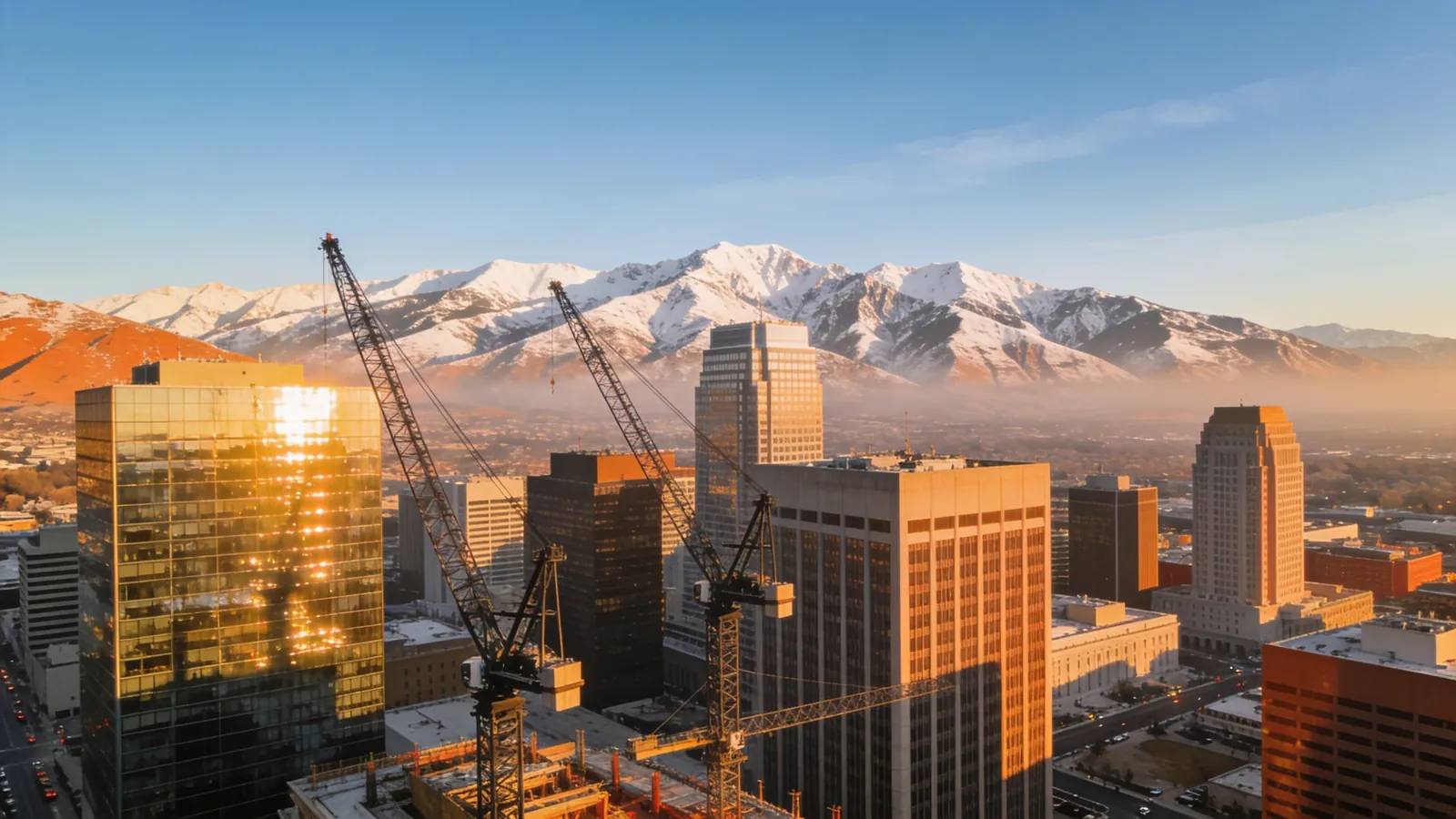
Every project manager has the same two dreams about deadlines. In the first, the date is generous and the sponsor is calm. In the second, a date was announced on television eight years ago, a worldwide audience will show up on it and nobody is allowed to say "slip." Utah is living the second dream, and it is, professionally speaking, fascinating to watch.
On October 14, 2026, Lisa Riley Roche of the Deseret News reported that the state is already planning to build again for the 2034 Winter Games. This post is a plain-language look at what was reported, and at what the story teaches anyone who has ever run a project, from a lodge to a software release. It is not a political opinion, and it is not a forecast.
What was reported
These are the facts as the coverage presents them.
- Who pays for what. The organizing committee, Utah 2034, runs a $4 billion Games budget expected to come from private sources such as ticket sales and sponsorships. Its fundraising effort, Podium34, has reportedly raised more than $200 million. Infrastructure that is not strictly a Games need requires local, state and federal funding, and a committee official said the committee is "not footing the bill" for those projects. Utah is also the financial guarantor of the Games under the host contract, which means taxpayers would cover a shortfall.
- FrontRunner 2X. The commuter rail double-tracking project has been cleared by the Federal Transit Administration to enter the Engineering phase of its Capital Investment Grants program, a step toward nearly $1.3 billion in federal funding, according to coverage in August. The scope includes 26.1 miles of double track at 11 locations, a new station, 10 trainsets and a maintenance facility, with service planned every 15 minutes at peak and every 30 minutes throughout the day. Construction is expected to run from 2027 through 2030, and the dates depend on completing the federal grant process. The state Senate president was quoted saying that more than $1 billion in federal funding is lined up but may be only half of what is needed.
- Other projects. I-15 expansion through Davis County, to help reach Snowbasin, is under way. A multi-billion-dollar downtown Salt Lake City district for sports, entertainment, culture and conventions is under way. Interchange improvements near Snowbasin and Utah Olympic Park have been requested and are still to come.
- Reuse. In January, the Deseret News reported that the Games budget calls for "minor capital investments of $39.7 million" in venues, since many were built or used in 2002. The Maverik Center in West Valley City is expected to host figure skating and short track speedskating, with mostly unseen work such as security and seismic upgrades, and no final design or price yet.
- Open questions. Officials said some details, such as a volunteer program, are still to be determined, and that government is "slow."
What a project manager sees
Strip away the Olympics and the structure is familiar. Here are five habits the story illustrates, and that work at the size of your own project.
1. Draw the line around the scope
Two sets of projects are being planned side by side: what the Games need, and what the state wants to leave behind. The committee's position that it will not pay for non-Games projects is a scope boundary, said out loud. That sentence prevents a lot of future arguments. On your project, write one sentence like it in the project charter: what is in, what is out and who pays for the gray area. Most scope creep lives in the gray area.
2. Find the dependency you do not control
FrontRunner's construction dates depend on a federal grant process. That is an external dependency, and it sits on the critical path of everything that relies on the train. Good project managers list these separately and give them an owner, a check-in date and a backup plan. If you wait on a permit, a lender or a supplier, treat the wait as a task with a name on it.
3. Reuse before you build
Because most venues already exist, the budget for new venue construction is small. This is the least glamorous and most valuable move in the book: the cheapest square foot is the one you do not build. Before you start a new system, tool or space, ask what you already own that could do 80% of the job.
4. Say what you do not know yet
The most credible sentence in the reporting is the one where an official says details are still to be determined. Projects lose trust when they pretend to know. A short "known, assumed, unknown" list in every status report tells your sponsor where the risks live, and it belongs in a living risk register.
5. Keep one list of who decides
The story names a governor, legislative leaders, a mayor, an organizing committee, a federal agency and transit and road agencies. Each has a say. This is a stakeholder map the size of a state. At any size, the cure is the same: one page that says who decides what, and how disagreements get resolved.
What I am watching
Three things. First, whether the federal funding agreement for FrontRunner 2X is signed, because it sets whether the 2027 to 2030 construction window holds. Second, the design and price of the Maverik Center work, which is a good test of how "minor" capital investments stay minor. Third, how the interchange projects near Snowbasin and Utah Olympic Park are scheduled, since they are requested, not yet built. I will say so here if the reporting changes.
If you are running a project in Utah and want a second pair of eyes on your scope, your dependencies or your schedule, that is the work I do through Project Focus, and the page about how I work as a business consultant in Utah explains the local side. The Utah small business resource guide lists free help to start with, and you can write to me on the contact page.
Which dependency outside your control is the biggest one on your current project? Tell me in the suggestion box on the blog.
Sources
- Deseret News: Utah gets ready to build again ahead of 2034 Olympics (Oct 14, 2026)
- Standard-Examiner: FrontRunner 2X plan enters engineering phase (Aug 11, 2026)
- Deseret News: 2034 Games bring new sports and upgrades to the Maverik Center (Jan 8, 2026)
Facts come from the sources above. The reading of those facts is mine.
Monthly newsletter
Everything new, once a month.
One email on the 1st of every month with everything new: articles, series parts, news, website updates, project results, where I am working and the business opportunities I am looking at. No spam.