Construction · 10 min read
Construction Management vs. Project Management: Who You Need, and When
What a construction manager does, what a project manager does, why who pays them matters and a simple guide to which one you need first.
 Dennis AlejoBusiness consultant · Project & operations manager · · 2,261 words

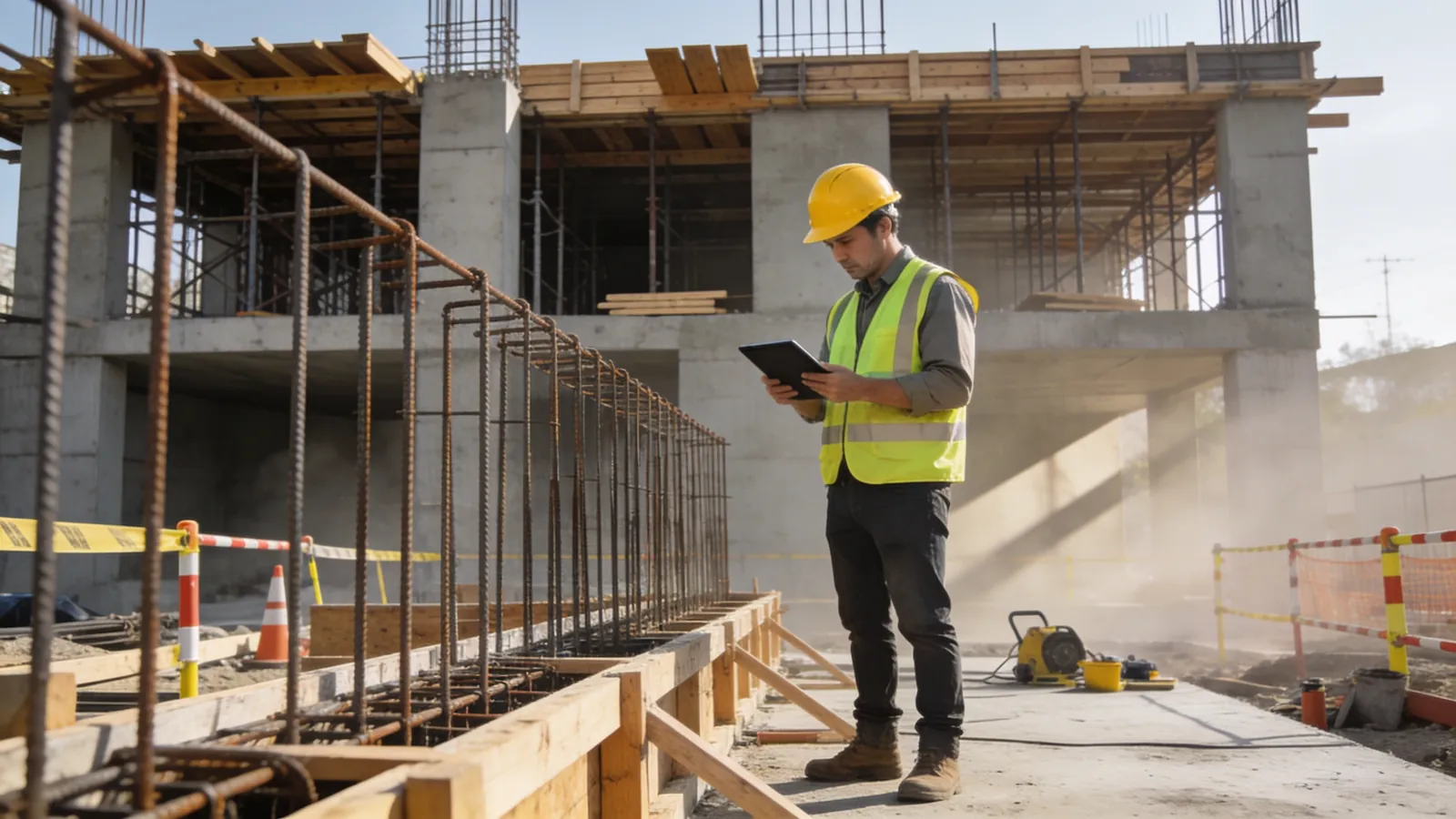
Two people walk onto a construction site. One wears boots that have seen concrete, a hard hat with a dent and a radio that never stops talking. The other wears clean shoes, carries a laptop and asks "who approved this change?" in a polite voice that makes everyone look at their feet. Both are called "manager." Both are needed. And the owner, standing between them with a coffee, wonders which of them to hire.
It is one of the most common questions I hear from owners who are about to build for the first time: a clinic, a restaurant, a lodge, a small warehouse, a house with a business attached. "Do I need a construction manager or a project manager?" The honest answer is "it depends on what is keeping you up at night," which is not helpful until we put some shape around it. So this article is the shape: what each role does, where they overlap, why who employs them changes everything and how to decide.
A note on how I see this. I come from the civil engineering side of the table, on road and public works projects, and I later worked on the management side of building and operations projects. That means I have been on both ends of the conversation: the person who asks "how do we build this?" and the person who asks "should we build this, and what does the owner want to be true when it is finished?" The distinction is useful, and so is the humility to say that real companies mix them up all the time.
The short version
Think of a building as having two projects inside it.
The first is the construction: turning drawings into a physical object. It involves crews, materials, equipment, sequence, safety, inspections and a lot of weather. Its natural manager is the construction manager.
The second is the project: deciding what to build, finding the money, choosing the designers and the builder, getting the permits, controlling the budget and the schedule, managing the people who must agree and handing over a building that actually works for the business inside it. Its natural manager is the project manager.
Construction is part of the project, in the same way that cooking is part of running a restaurant. A great chef is not automatically a great restaurant owner, and the reverse is also true.
What a construction manager does
The construction manager is the person (or team) responsible for how the building gets built. Typical responsibilities:
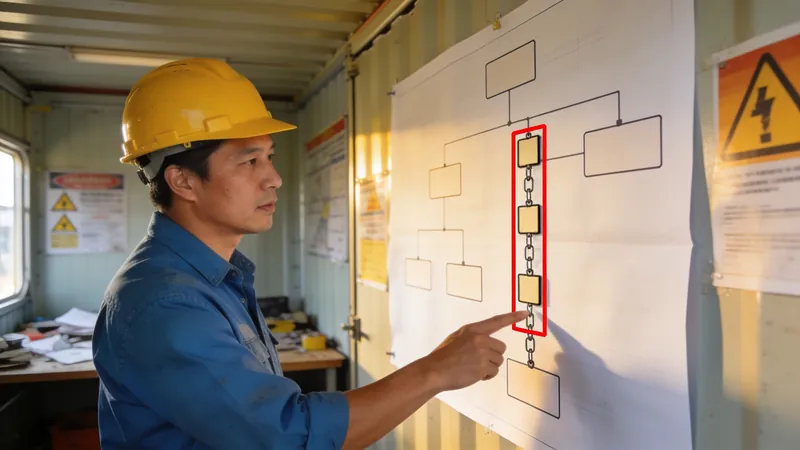
- Planning the build: sequencing the trades, planning the site logistics (where materials are stored, where cranes stand, how trucks enter), and building the detailed construction schedule, often with a critical path analysis.
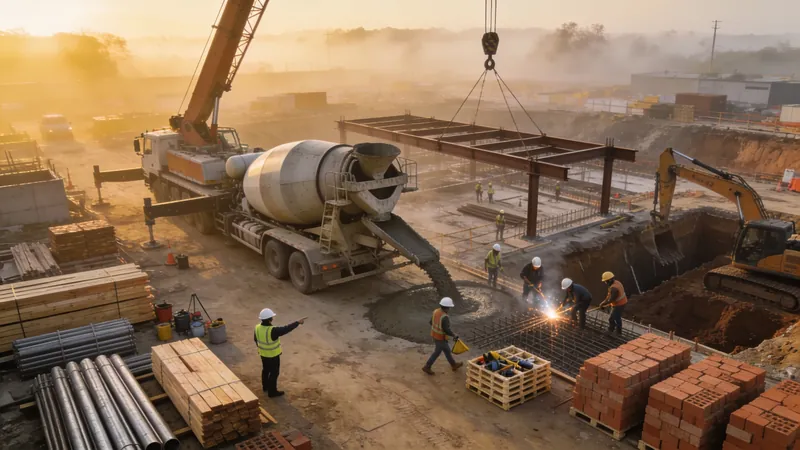
- Coordinating the trades: making sure the concrete crew leaves before the electricians arrive, who leave before the painters begin.
- Safety: setting up and enforcing site safety rules and responding to incidents.
- Quality: checking that the work matches the drawings and specifications, arranging inspections and tracking rework.
- Cost of the work: tracking costs, payment requests and changes on the construction side.
- Day-to-day problem solving: the delivery that did not arrive, the conflict between two systems in the ceiling, the rain.
The title can mean quite different things depending on the contract.
- In a construction manager at risk arrangement, the construction manager works with the owner and designers early, then commits to a price for the construction and takes responsibility for delivering it, usually by contracting the trades. Here the manager is a builder.
- In a construction manager as agent (agency) arrangement, the construction manager is an advisor to the owner and does not take the construction risk. Here the manager is more like a consultant on the owner's side.
- Contractors also use titles like superintendent (runs the field), project engineer (handles drawings, submittals and questions) and project manager (runs the contractor's office side: contracts, billing, budget and schedule for that job).
Those two titles in the contractor's world, "construction manager" and "project manager," are a perfect example of why you must ask what work the person will do.
What a project manager does
A project manager, in the broad sense, is responsible for getting the project to its goal within limits of time, money and quality. In the world of buildings, the owner's project manager typically handles:
- Defining the goal: what the building is for, what must be true when it is finished, and how success will be measured. This is the business-case thinking I describe in the first part of the PMBOK series.
- Setting the structure: the budget, the schedule, the team, the decision rights and the way information flows. A one-page project charter and a RACI chart are among the first tools.
- Choosing the team: selecting and contracting designers, builders and consultants, and structuring the contracts so risks sit with the party best able to handle them (see contract risks that cost projects).
- Managing approvals and stakeholders: permits, lenders, partners, neighbors and everyone with a say. A stakeholder map is the starting point.
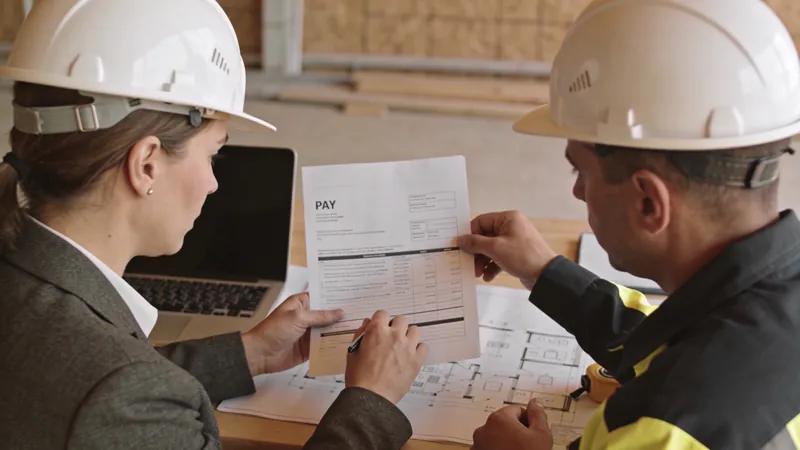
- Controlling money and time: monthly cost forecasts, change control and progress reports that tell the owner the truth (earned value is the usual language).
- Managing risk and change: keeping a live risk register and preventing scope creep.
- Handover and opening: making sure the people, equipment, permits and systems are ready, so the building can do its job on day one.
If the project is a clinic, the project manager is the one who asks whether the staff will be trained when the building is ready. If it is a lodge, the one who asks whether the beds, the kitchen license and the booking system will exist on opening day. A construction manager is rarely asked these questions, because they are not part of the building contract.

Where they overlap (and why that is fine)
Both roles manage schedule, cost, quality and risk. Both use the same tools: schedules, budgets, logs, reports and meetings. On a small project, one person may do both. On a large project, a team does each and they meet every week.
The overlap becomes a problem only when nobody has decided who owns what. A few classic examples:
- Who tells the owner about a cost increase? The builder's manager will report what the contract requires. The owner's project manager will ask whether the increase is justified and what it means for the whole budget, including costs outside the construction contract.
- Who decides whether a change is worth it? The site can say how hard the change is. The owner side decides whether it is worth the money and time.
- Who talks to the designer? Questions about how to build a detail go through the site. Questions about whether the design still serves the business go through the project manager.
Each time there is overlap, ask the same question: whose interest does this person protect? That brings us to the most important point of this article.
The question that matters more than the title: who employs the manager?
The same title means different loyalties depending on who pays it.
A manager employed by the builder is working inside a contract with the owner. They are professional and often very good, but their job is to deliver the building contract: finish the work, get paid, manage the contractor's risk. When the owner's interest and the builder's interest collide (a change order, a delay claim, a disagreement about quality), they will represent the builder.
A manager employed by the owner has a different job: to protect the owner's goals and money, including by reading the builder's reports with a skeptical eye. This is the heart of the owner's representative role, and it is the reason owners who build only once in their lives often benefit from a person on their side of the table who builds every year.
That is not an accusation against builders. A good builder and a good owner's representative improve each other's work. But they are not the same job, and it is wise not to ask the builder to referee a disagreement about the builder.
Which one do you need? A simple guide
Look at where your project is today.
You are still deciding. You have an idea, a site, perhaps a rough budget, and a lot of open questions: what size, what mix of spaces, financing, timing. You need a project manager on your side. A construction manager can give input about cost and constructability, but they cannot decide what the business needs.
You are choosing the team. You need to select designers and a builder, and choose a contract structure: for example design-bid-build, construction manager at risk or design-build. The right structure depends on how much control, speed and price certainty you want. This is a project management decision, ideally made with advice from someone who has seen all three.
The design is done and the builder is chosen. Now the build is the main event. You need strong construction management, usually supplied by the builder's team. If you are new to construction, keep a project manager or owner's representative alongside, to read the reports and handle the money, the changes and the handover.
The building is nearly finished. The questions turn to commissioning, training, occupancy, final inspections and the punch list. This is a stretch where project management matters again, because the people and systems must be ready and not only the walls.
You have a very small job. A small renovation may need only a good contractor and a clear written scope. Do not hire more management than the project can bear. A rule I use: if the cost of a mistake is smaller than the cost of the manager, you probably do not need one.
Common mistakes owners make
A few patterns appear again and again.
- Hiring a builder before knowing what you want. The builder then discovers the project through your changes, and you pay for each discovery. Settle the goal and the budget first.
- Assuming "the contractor manages everything." The contractor manages the contractor's work. Nobody manages the owner's decisions, permits, funding timeline or opening plan unless you assign them.
- Using one person for opposite jobs. Asking the same company to build the building and to audit the builder is a conflict of interest, however kind the people are.
- Hiring management too late. The most expensive decisions in a project (site, scope, delivery method, contract) are made before ground is broken. A manager who arrives at the groundbreaking arrives after the best part of the bill is decided.
- Confusing a title with a skill. Ask what the person has actually managed, at what size, with which contract type, and what went wrong. A certification such as PMP (project management) or CCM (construction management) can signal training, but experience on projects like yours matters more.
How the work fits together in practice
Here is a simple picture of how the two roles hand work to each other on a typical building project for an owner:
- Before design: the project manager defines the goal, the budget and the schedule, and sets up the team and the contracts. A construction manager or builder may give early advice on cost and constructability.
- During design: the project manager keeps the design aligned with the business goal and the budget. The construction manager checks that the design can be built in the planned sequence and for the planned price.
- During construction: the construction manager runs the site. The project manager watches the money, the changes, the schedule and the quality, and makes the owner-side decisions quickly.
- At handover: both come together. The construction manager closes out the work and the punch list. The project manager makes sure the owner can operate the building: training, documentation, warranties, inspections and the opening plan.
If you want a deeper look at what a construction project is made of, the first part of my weekly series covers the five flows of a construction project, and the pillar guide on project management in construction walks through the phases and the team.
Test yourself
The tool below asks seven plain questions about where you are with your project. Tick the ones that are true for you today. It does not replace a conversation, but it tells you whether your biggest risks sit in the building or around it, and which kind of help to look for first.
What to do this week
Write down the three decisions on your project that you are least comfortable making alone. For each, write who would be best placed to advise you, and whose interest that person represents. If the answer for all three is "the builder," you have found the gap.
If you are building or renovating and want to talk through the structure, the contracts or the right kind of help, that is part of what I do as an owner's representative and project manager, and I can tell you honestly when a smaller setup is enough. You can describe your project on the contact page, and if you are in Utah, the page on working with a business consultant in Utah explains how I work locally. The weekly construction series from a civil engineer's desk goes deeper into each part of the job.
Who is on your side of the table on your current building project: a person who works for you, or only for the contract? Tell me in the comments.
More tools. The change request log and the contract calendar are free in the toolkit, and both belong to whoever protects the owner's side.
Frequently asked questions
What is the difference between a construction manager and a project manager?
A construction manager runs the building work: the trades, the site, the safety, the quality and the build schedule. A project manager is responsible for the whole project, including the goal, the budget, the team, the contracts, the approvals and the handover. The roles overlap, and in some companies the titles are used interchangeably.
Do I need both a construction manager and a project manager?
On a large or complex building, usually yes: a builder-side construction manager runs the site, and a project manager or owner's representative protects the owner's goals, money and schedule. On a small project, one capable person, or the contractor alone with a clear written scope, can be enough.
What does a construction manager at risk do?
A construction manager at risk joins the project early to advise on cost and constructability and then commits to a price and responsibility for delivering the construction, usually by contracting the trades. They act as a builder with an early advisory role.
When should I hire a project manager for a building project?
As early as possible, ideally before you choose the designer, the builder or the contract structure, because those decisions create most of the cost and schedule risk. Hiring one at the groundbreaking is better than not at all, but it misses the cheapest moment to help.
Monthly newsletter
Everything new, once a month.
One email on the 1st of every month with everything new: articles, series parts, news, website updates, project results, where I am working and the business opportunities I am looking at. No spam.
Join the conversation
Did this help? A quick reaction tells me what to write next.
Be the first to react.


Loading comments…