Construction · 14 min read
What Is an Owner's Representative in Construction? A Plain Guide for Owners
What an owner's representative does, how the role differs from the architect and the builder, when you need one, and how to hire and use one well.
 Dennis AlejoBusiness consultant · Project & operations manager · · 3,068 words
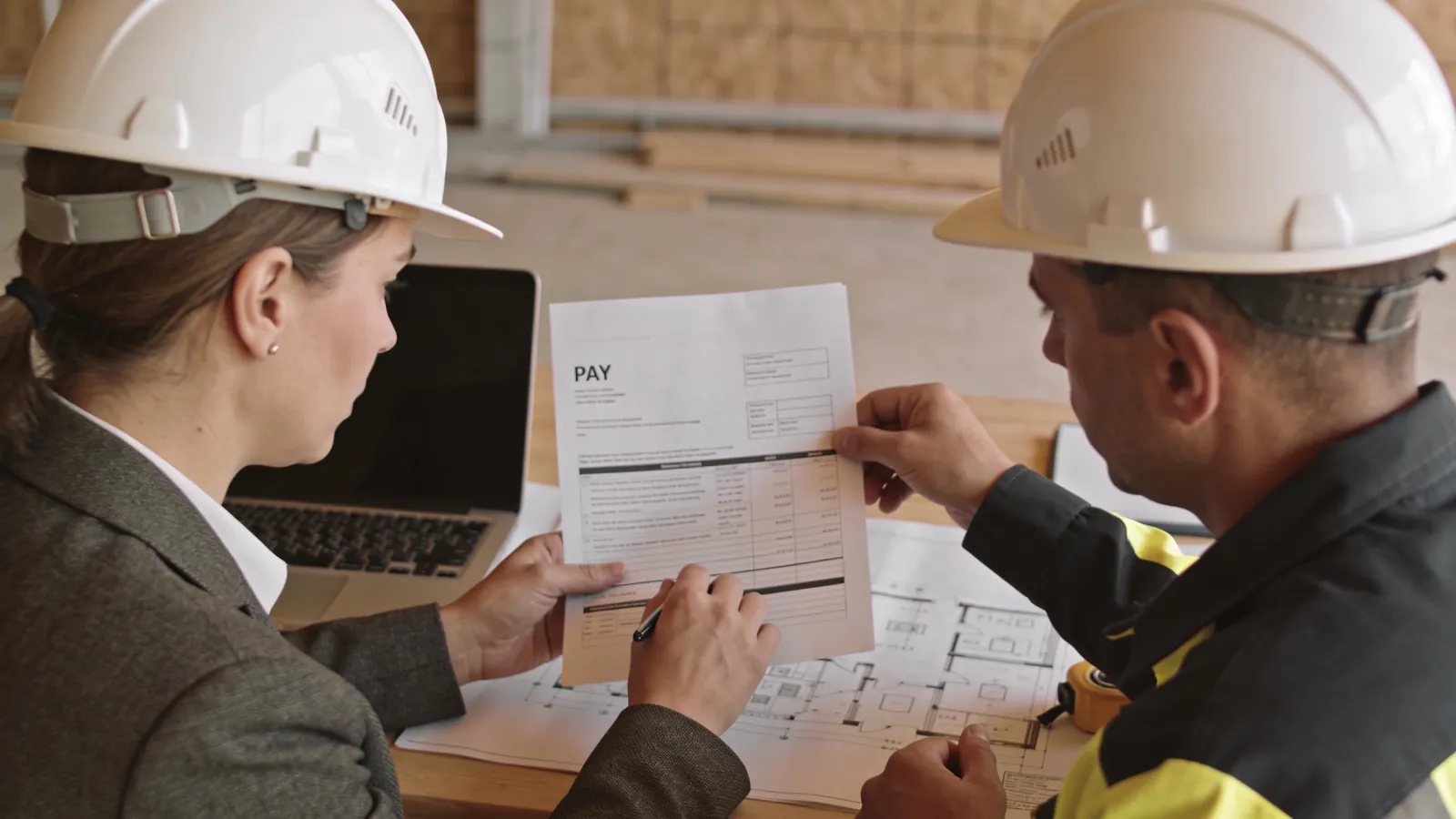
A family opens the lease on a vacant building and decides to turn it into a restaurant. A hospital group wants a new clinic. A school needs a new wing. A company moves into a shell space and needs offices. Each of them is an expert at something, from cooking to caring to teaching, and each of them is about to sign the largest contract of their year with people who build for a living. The builders know how pricing works, how schedules slip and where the small print hides. The owner knows what the building is for. That gap in knowledge is where owners lose money, time and sleep, and it is the reason a whole profession exists to close it.
That profession is the owner's representative. This guide explains it in plain language: what an owner's representative actually does, how the role differs from the architect, the contractor and the construction manager, when you need one and when you do not, what it costs to hire one and how to hire a good one, and how to work with one so the project benefits. I have sat on both sides of the table. I managed contracts on large public programs as a civil engineer, and in the United States I worked for an owner on four clinics. I will say what I learned, and where an owner's representative falls short. Near the middle there is a backward timeline you can adapt to your own opening day.
What an owner's representative is
An owner's representative, often shortened to owner's rep, is a person or a firm hired by the owner to act on the owner's behalf during the planning, design, construction and handover of a building. They are the owner's professional on the project. They read the contracts, review the drawings, question the schedule, check the invoices, track the changes and tell the owner the truth in time to act on it.
Three words in that definition matter.
Owner. The rep works for the party that pays and will operate the building. That sounds obvious, but in construction almost everyone else in the room is paid to deliver something to the owner: the designer delivers drawings, the builder delivers a building. Each of them has a legitimate interest in their own contract. The rep exists so that someone is paid only to look after the owner's interest.
Professional. The role calls for judgment that comes from having seen many projects: how long a permit usually takes, which changes are normal and which are padding, how to read a bid, what a realistic schedule looks like. It is rarely about doing the construction work. It is about knowing what questions to ask and when.
Representative. The rep is not the owner. They act inside the authority the owner gives them, which should be written down. A good arrangement states what the rep can decide alone, what needs the owner's approval and how fast the owner will answer.
A short note on words. In many construction contracts the owner must name one person as its authorized representative, the person who speaks for the owner on the project. That is a role in a contract, and it can be filled by an employee. A professional owner's representative is a hired expert who can fill that role and do a lot more. When someone says "we have an owner's rep," ask which one they mean.
How it differs from the other people on the project
The cast of a construction project is large, and the titles overlap. Here is how the owner's representative compares with the others, in terms of whose interest each one serves.
- The architect or designer produces the design and the specifications and, depending on the contract, reviews the builder's questions and submittals. They are paid by the owner, and their job is to deliver a good design, not to manage the owner's budget or schedule. Many designers do both well, but it is not their primary role.
- The general contractor builds the project under a contract with the owner. They are responsible for the means and methods, the subcontractors, the site and the schedule. Their interest is delivering the contract profitably. That is legitimate, and it is not identical to the owner's interest.
- A construction manager can mean two things. In one arrangement, the construction manager acts as an advisor to the owner and does not build. In another, the construction manager at risk is a builder who helps during design and then guarantees a price. The title alone does not tell you whose side they are on, so read the contract.
- A project manager manages the whole project. If the project manager is an employee of the owner, they are close to the owner's representative role. If they work for the contractor or the designer, they manage that firm's part.
- The owner's representative works only for the owner, and covers the whole life of the project, from the first idea to the day the building opens.
The cleanest way to sort the roles is to ask three questions about anyone on the project. Who pays them? Who do they report to? And what happens to them if the project goes over budget? The honest answers show where their incentives point.
What an owner's representative does, phase by phase
The work follows the life of the project. For an overview of the phases themselves, see project management in construction: a practical guide. Here is what the rep does in each.
Before design: the idea and the plan
This is the phase where the rep is most valuable and least often hired. The work includes clarifying what the building must do, setting a realistic budget range and schedule, reviewing the site for obvious problems such as utilities, zoning or ground conditions, choosing the delivery method, and helping select the design team. A lot of the money a project will cost is already decided by the choices made here. If you are not sure the project should happen at all, a business case helps, and I show one in Part 1 of the PMBOK series.
During design: protecting the brief
The rep turns the owner's needs into written requirements, reviews the drawings at each milestone against those requirements, checks the cost estimate against the budget as the design grows and helps the owner make decisions on time. Late owner decisions are one of the biggest causes of change orders, so the rep keeps a list of the decisions the owner owes, with dates.
Procurement and contracting: choosing the builder and the terms
The rep helps prepare the bid package or the builder selection process, compares bids line by line, since the lowest number is often the one with gaps, and advises on the contract. They do not replace a construction attorney. They make sure the owner knows what the contract says about price, schedule, changes, payment, warranties and who carries which risk. Many disputes later in the project come from terms nobody read, as I explain in contract risks that quietly cost projects money.
Construction: the weekly rhythm
During construction, the rep attends the progress meetings, reviews the builder's schedule and the three-week look-ahead, reviews each monthly pay application against the work actually done, evaluates change requests for price and necessity, tracks questions and submittals so they do not sit in someone's inbox, walks the site, keeps a log of issues and reports to the owner in plain language. The reports usually cover four things: schedule, cost, quality and open decisions.
Closeout and handover: finishing is a phase
The rep manages the punch list, the testing and commissioning of building systems, the training of the people who will operate the building, the delivery of manuals, as-built drawings and warranties, the final payment and the lessons learned. This is also where the rep connects the construction project with the operations of the owner: staff hired, systems tested, supplies in place. That connection is the subject of how a clinic opens on time, and it is the part of the job I enjoy most.
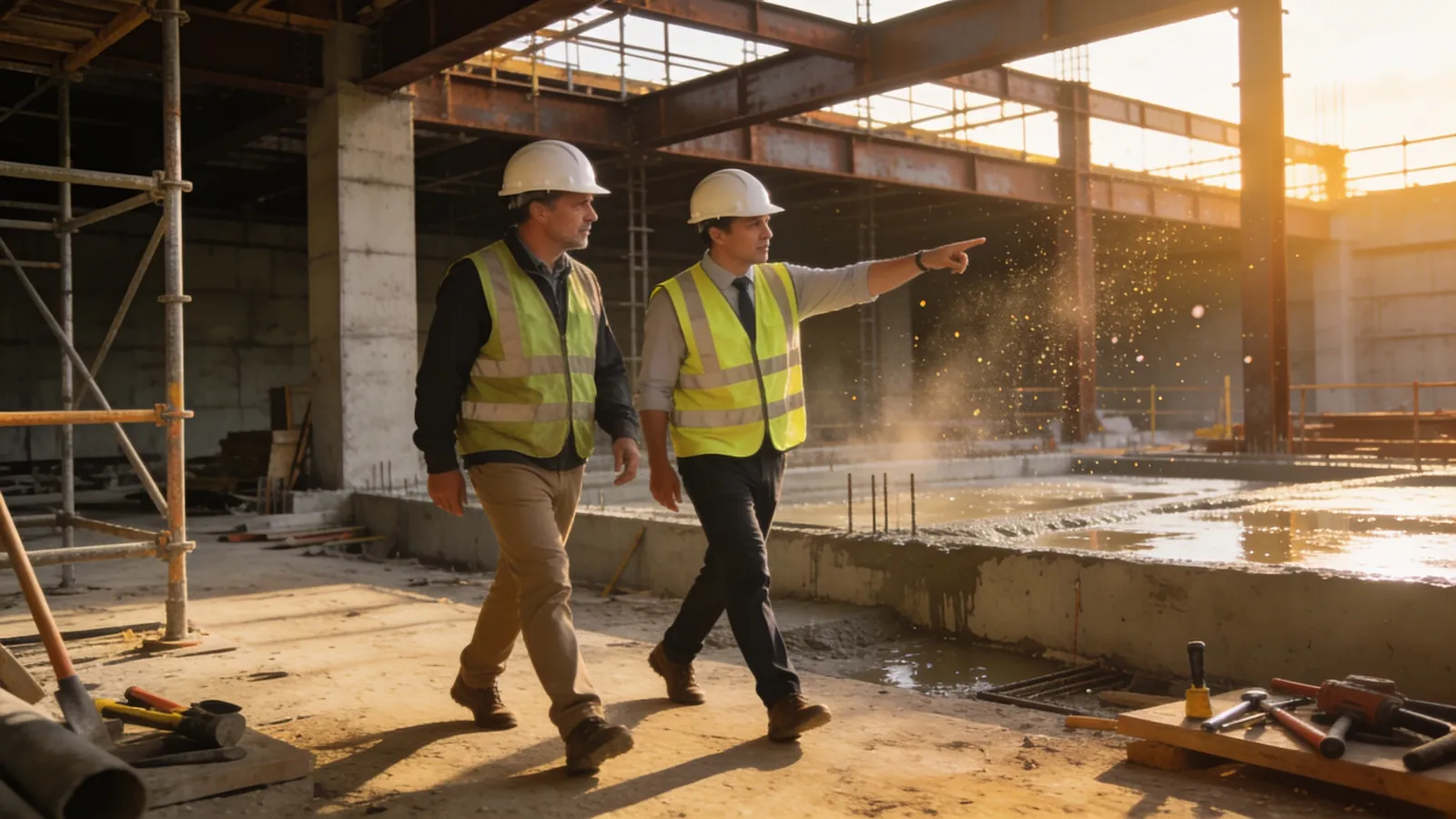
A week in the life of an owner's representative
It helps to see the rhythm. This is a typical week on an active project, described in general terms.
- Monday. Review the builder's three-week look-ahead and compare it with the master schedule. Ask what could collide, which long-lead items are late and what the owner has to decide this week.
- Tuesday. Walk the site with the builder's superintendent. Check the work in progress against the drawings, look at safety conditions and open the issues log.
- Wednesday. Review the open questions and submittals. Find the ones that are waiting on the designer, and chase them.
- Thursday. Review pending change requests. For each one, ask what changed, who asked, whether the price is fair and whether the schedule moves.
- Friday. Update the cost forecast: what has been spent, what is committed, what is pending and what the project is likely to cost at the end. Send the owner a one-page summary with the three things that need attention.
Once a month, the same rhythm includes the pay application: comparing what the builder bills with what is actually in place, which is where earned value in plain English becomes a practical tool.
When you need one, and when you may not
You are more likely to need an owner's representative in these situations:
- You build rarely. If this is your first building project, or your first in ten years, you are buying knowledge you do not have.
- The project is large, complex or regulated. Healthcare, education, food service and anything with special systems carry rules and sequences that are easy to get wrong.
- Nobody on your team has the time or the experience to manage a builder while running the business.
- The schedule is tight, and a late opening has a real cost, such as rent running without income.
- Many stakeholders are involved, such as partners, lenders, tenants or neighbors, and decisions get stuck.
- You are remote. If you are in another city or country, someone must be on site and on your side.
- You manage several sites and need the same discipline on each.
You may not need one, or you may only need part-time help, in these cases:
- The project is small and simple, and you have a builder you trust through a track record.
- You have an experienced in-house team with construction knowledge and enough hours.
- The budget cannot absorb the fee. In that case, hiring a rep for a few hours at the key moments, such as reviewing the contract and the first schedule, can still be worth it.
One more honest point. An owner's representative is not insurance against every problem. They reduce the number of surprises and the cost of the ones that happen, but weather, markets and people still behave as they behave.
What it costs and how it is priced
Fees for owner's representatives vary a lot with the size and the complexity of the project, the experience of the person and the region, so I will not quote numbers here. What matters more is the structure. The common models are:
- An hourly or daily rate, useful for a defined review or a few key moments. Ask for a cap.
- A fixed fee for a defined scope, such as design-phase services, which gives you certainty and makes the scope important.
- A monthly retainer for the duration of the project, which fits long projects with a steady rhythm.
- A percentage of the construction cost, which is common on larger projects. It is simple, and it also means the fee grows when the project cost grows, so ask how the arrangement handles that.
Whatever the model, a good proposal states the scope in writing, what is included and what is not, who will do the work, how often they will be on site, what reports you will receive and how the engagement ends. Treat the fee as an investment to compare with what it protects: a small improvement in the price of a contract, a few weeks saved on the schedule or one avoided mistake in the design can cover it.
How to hire a good one
Start with a short brief, in one page: what you are building, the budget range, the target dates, where you are in the process, what worries you and who inside will work with the rep. Then talk with two or three candidates and look at the following.
- Independence. Ask directly whether the person or the firm has financial ties to any contractor, designer or supplier on your project, such as referral fees or ownership. A rep who also profits from a builder is not on your side. Get the answer in writing.
- Relevant experience. Ask about projects like yours in size and type, and ask for a story with numbers, including one that went wrong and what they did about it.
- Who does the work. Will the person you meet be on your project, or will it be handed to someone junior? Ask for the names.
- The scope in writing. Phases covered, deliverables, meetings, site visits, reports and what you must provide.
- A clear authority limit. What the rep may approve alone, what comes to you and how quickly you will respond.
- How they communicate. Ask to see a sample report. If you cannot read it in five minutes, you will not read it on a busy Tuesday.
- References. Call a past client and ask what the rep did when the project went badly.
- Fit. You will talk with this person every week for months. Trust and plain speech matter.
Red flags include guaranteed savings, vagueness about who does the work, pressure to sign before you have seen the scope, no questions about your business and an unwillingness to say what they would not do. If you want to see how I think about hiring outside help in general, I wrote about it in what a business consultant does and when you need one.

How to work with your owner's representative
Hiring is half the work. The other half is how you use the rep.
- Make one person the owner's voice. Decisions slow down when three people give three answers. Name one contact and one backup.
- Decide on time. Agree on how fast you will answer questions, for example two working days, and keep to it. Waiting for the owner is a cause of delay that nobody invoices.
- Share the real picture, including your budget limits, your opening date pressure and your doubts. A rep working in the dark protects the wrong things.
- Keep the lines clean. Let the rep talk with the architect and the builder, and ask them to copy you. Avoid giving instructions to the builder directly, since that can create changes nobody priced.
- Read the report. Ask for a one-page summary every week or two with schedule, cost, quality and decisions. Reading it is your side of the deal.
- Use a simple change process. Every change gets a description, a price, a schedule effect and an approval before the work starts. There is a free change request log in the toolkit, and the idea is explained in how to say yes, no and not yet to scope creep.
- Keep a decision log so that you remember what was decided and why, using the decision log template.
Common mistakes owners make
- Hiring after the contract is signed. By then, most of the price and the risk are fixed. The earlier, the more it helps.
- Choosing on the lowest fee. A cheap rep who does not read the contract can cost more than an expensive one who does.
- Giving the rep no authority, and then wondering why decisions are slow.
- Treating the rep as a policeman. The goal is a good building, not a fight with the builder. The best reps keep the relationship firm and respectful.
- Skipping the operator. The building must work for the people who will use it. Involve the operations team early, and plan training, supplies and systems on the same schedule as the construction.
- Not planning the end. Closeout is a phase. Reserve time and budget for it.
- Ignoring the stakeholders. Neighbors, authorities, lenders and staff can all affect the project, which is why a quick stakeholder map pays off.
Where I fit
My own work in this area is described under operations and owner's representation. I came to it from civil engineering and contract management, on road, healthcare and public programs, and then from operations in the United States. I work best with owners who build rarely, have a clear business reason for the building and want a plain-speaking professional at their side from the first idea to opening day. I am not the right fit for a project that needs a licensed architect, a structural engineer or an attorney; those are different professionals, and I will tell you when you need one. If you are unsure, tell me about your project, and I will say honestly whether I can help or whom to call.
Use the timeline below to sketch the main milestones backward from your own opening or move-in day. The durations are illustrative: real projects depend on their size, the permits and the supply chain, and your designer and builder will give you better numbers. Its value is in seeing how early the decisions begin.
Five questions to ask before you build
- What exactly must this building do on the first day, and who will check that it does?
- What is the budget limit, including design, permits, equipment and a contingency, and what do we do if the price comes back higher?
- Who has the authority to decide for us, and how fast will they answer?
- Who on our side will read the contract and the pay applications line by line?
- What does a good handover look like, and who will operate the building afterward?
If you cannot answer these confidently, that is the sign to bring in help. Which part of a building project worries you most: the design, the contract, the schedule or the handover? Tell me in the comments.
More tools. The contract calendar, the risk register and the change request log are free in the toolkit, and the weekly series construction project management from a civil engineer's desk goes deeper into each phase.
Frequently asked questions
What does an owner's representative do?
An owner's representative acts for the owner during a construction project. They help define the requirements and the budget, review the design, advise on the delivery method and the contract, oversee the schedule, cost and quality during construction, review the builder's invoices and changes and manage the closeout and the handover, so the owner makes informed decisions at every stage.
What is the difference between an owner's representative and a construction manager?
It depends on the contract. A construction manager acting as an advisor to the owner is close to an owner's representative. A construction manager at risk is a builder who joins early and then guarantees a price, so their interest is different. Ask whose interest the person is paid to protect.
When should an owner hire an owner's representative?
The earlier the better, ideally before the design is complete and before the builder is chosen, because that is when decisions are cheapest to change. The value is highest for owners who build rarely, for large or regulated projects and when nobody on the team has managed construction.
How much does an owner's representative cost?
It varies with the size and complexity of the project, the experience of the person and the region. Fees are usually hourly, fixed for a scope, monthly or a percentage of the construction cost. Compare the fee with what the rep protects, and ask for a written scope and, for hourly work, a cap.
Monthly newsletter
Everything new, once a month.
One email on the 1st of every month with everything new: articles, series parts, news, website updates, project results, where I am working and the business opportunities I am looking at. No spam.
Join the conversation
Did this help? A quick reaction tells me what to write next.
Be the first to react.





Loading comments…