Utah · 11 min read
Utah 2034: What the Winter Games Mean for Local Businesses and Contractors
Most 2034 venues already exist. Three pots of money, seven kinds of business and a one-page plan to turn a headline into a decision, with official sources.
 Dennis AlejoBusiness consultant · Project & operations manager · · 2,442 words
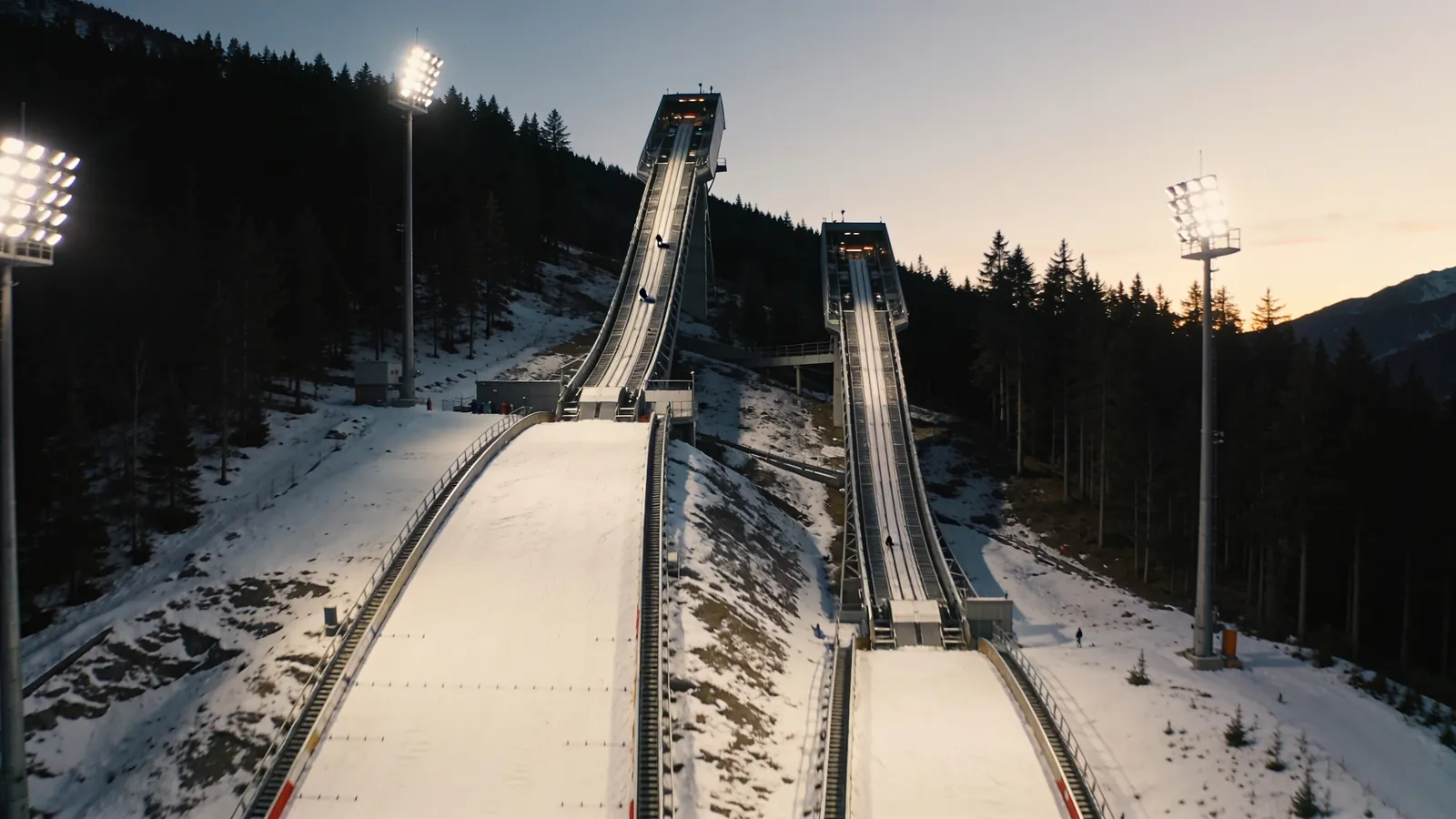
Utah hosted the Winter Games in 2002, and for the twenty-four years since, the venues have been going about their lives: ski jumps with a view, skating ovals, and an Olympic cauldron that tourists photograph like a landmark. Now the same venues are being asked to do the job again, and every business owner in Salt Lake City has the same conversation at the same lunch counter: "Should I do something about 2034?"
The honest answer is the one project managers give to every question that starts with a big date: it depends on what you sell, and the date is a deadline for other people's work, not yours. This guide is a plain-language reading of what is public about the Games and a way to turn a headline into a plan with your name on it. If you are a contractor, an operator of a restaurant, a shop, a clinic or a service company, or a one-person consultant, the method is the same. I am an operations specialist, not a lobbyist or an Olympic insider, and I will say where the facts end and my opinion begins.
What is actually public
Start with what you can read yourself, because the lunch-counter version is usually bigger than the real one.
| Fact | Source | Date |
|---|---|---|
| 13 competition venues, all from 2002 | Organizing committee website | Read Nov 15, 2026 |
| More than $50 million of state upgrade estimates | KPCW, relaying Fox 13 | Jun 18, 2026 |
| More than 21,000 hotel rooms secured, about 3,000 more needed | Fox 13 report | Undated; maps Aug 14, 2025 |
| Almost $150 million committed by donors | Fox 13 report | Undated; maps Aug 14, 2025 |
- The venues are existing venues. The organizing committee's website, which I read on November 15, 2026, says there are 13 competition venues, that they are venues from the 2002 Games and that they are "active and ready to host another Games." KSL reported on February 3, 2026 that Utah's venues are already built and competition-ready, and that IOC officials told the Utah team to "slow down" and avoid over-preparing. When the authority that gives out the Games tells the host to relax, that is a sign about the size of the work.
- The state will still spend money. On June 18, 2026, KPCW, relaying a Fox 13 report, said the state's Division of Facilities Construction and Management told a legislative subcommittee that upgrades for the Olympics could cost the state more than $50 million. The same report says the organizing committee raises private money to run the Games, while taxpayer money still covers some infrastructure, such as publicly owned venues, transportation and public safety. It gives no breakdown by venue.
- Beds and money. A Fox 13 report, whose date is not printed in the text I could read (its map images carry August 14, 2025, and it speaks of the Games being eight and a half years away), says more than 21,000 hotel rooms were secured with about 3,000 more needed, that donors had committed almost $150 million, and that corporate sponsorship cannot begin until after the 2028 Los Angeles Games. Treat these figures as a snapshot from that report, not as today's.
- Who is paying for what. The organizers say no state or local taxpayer money will be used for the operations of the Games. In the same report, the committee had eight employees and three contractors. Their own words, not mine: a very small team for a very large date.
That is the whole public picture for one lunch break. Everything else you hear is somebody's reading, including the reading that follows.
The three pots of money
The most expensive mistake a business owner can make with the Games is mixing the pots. There are at least three, and they have different rules, different timelines and different buyers.
Pot one: the private pot. The organizing committee's money pays for running the Games: staff, ticketing, technology, the "overlay" that turns a ski hill into a broadcast venue. The buyers are the committee and its partners. The doors are sponsorships (not before 2028), supplier lists and, much later, event-time services. If you are a three-person company, this pot is a long game and mostly a subcontractor game.
Pot two: the state pot. The estimate of more than $50 million for upgrades is the state's money for publicly owned facilities. Public construction has public rules. The buyer is a state agency, and the rules are on its website. For the businesses that already build for the state, this is a normal pipeline with a famous name on it.
Pot three: the surroundings. Rail, highways, districts and interchanges. My earlier news post, Utah is getting ready to build again for 2034, reads the October 14, 2026 Deseret News coverage of these. They belong to other owners, with federal, state and local money, and their own schedules.
A project manager's first move is to ask, for each rumor, "which pot is this?" It is the same question as asking whose budget a change order lands on, as in the change orders guide. If nobody can tell you, the rumor is not a lead yet.
Why "the build-out" is the wrong picture
Imagine a town that hears a circus is coming. Half the town builds a bigger snack stand. The other half finds out the circus uses the tent it already owns, and the snacks it needs are peanuts, in volume, on a schedule. The first half has a nice stand and a loan.
Utah's plan sits closer to the second half. When the venues exist, the work is renovation, safety, seismic and accessibility upgrades, technology, temporary overlays and operations. Renovation is a different market than new construction: smaller packages, more specialists, more occupied buildings, more schedule risk. It also rewards the contractors who are good at the unglamorous parts of a job, which are the permits, the phasing and the paperwork. I am sharing this as my reading of the reported plan, not as a fact about any package.
At the resorts the picture is mixed in the same way. KUTV reported on October 6, 2026 (updated October 15) a long list of private investments for the 2026-27 season, among them new lifts and lodges at resorts that are Games venues, such as Deer Valley, Park City Mountain and Snowbasin. Those are resort owners' projects with their own business cases. They are good news for the trades of the Wasatch Back, and they are not Games contracts, and the difference matters if you plan to tell a banker which is which.
Seven kinds of business and what 2034 may mean for each
These are my illustrative readings, not forecasts. Test each against your own numbers.
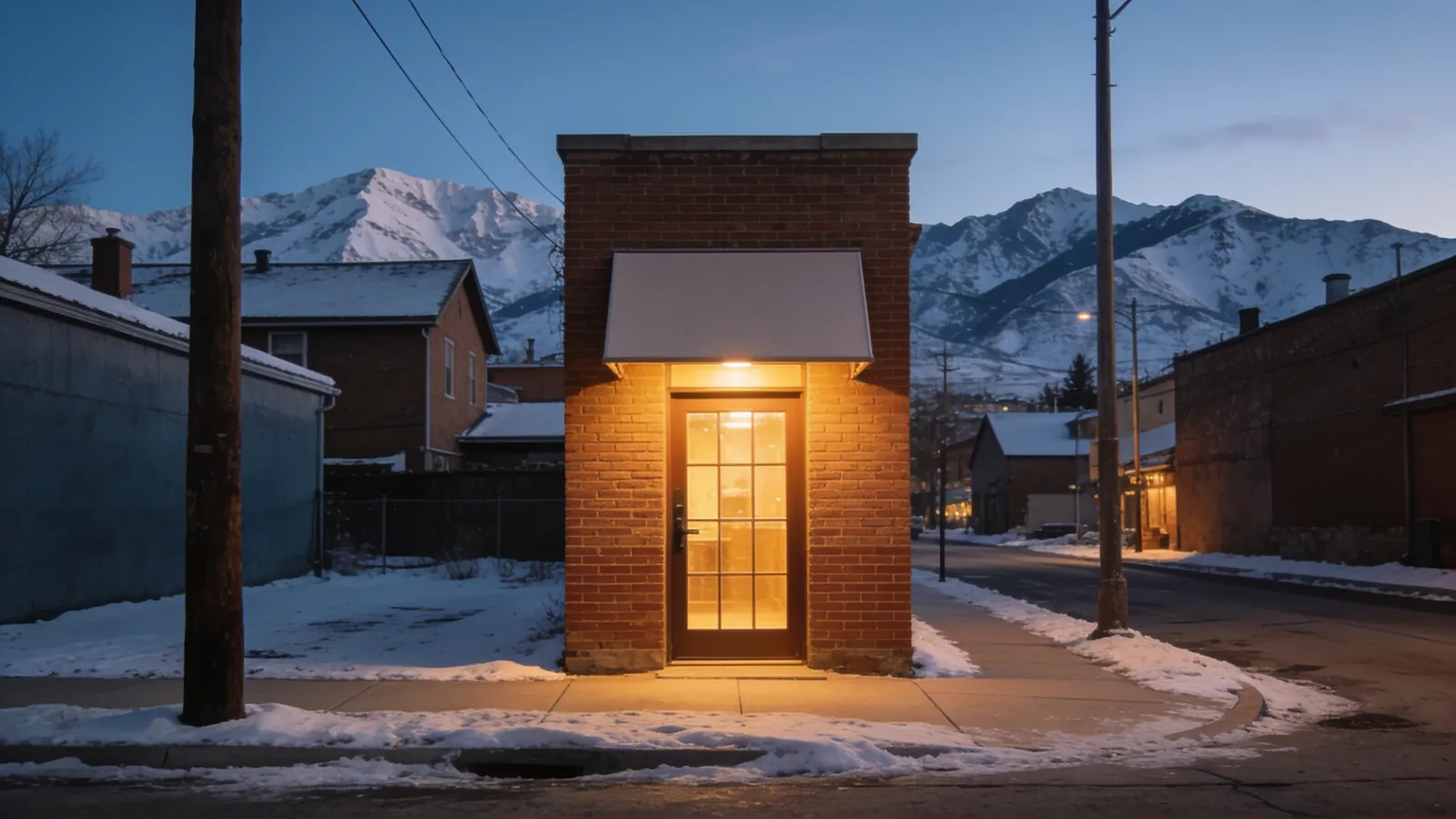
- Specialty contractors (electrical, mechanical, structural, accessibility). The route is the public one: prequalification and bidding for state work. The state's DFCM page, which I read on November 15, 2026, lists a prequalified contractor section with lists, renewals and new-contractor announcements, and a news item dated November 12, 2026 titled "Notification of Contractor Prequalification Dates" for general and mechanical contractors (the text I could read was cut off, so I do not know the dates). Prequalification takes paperwork and time, which is exactly why you start before there is a bid.
- General contractors and builders. The same prequalification plus the habit of reading every addendum. The public bids are on the state's U3P portal. I could not read the bid steps, so I will not describe them. The page for registering is on the Division of Purchasing site.
- Hotels, short-term rentals and restaurants. Beds and meals are where the Games touch the most people. If 21,000 rooms are secured and about 3,000 more are needed, as the report said, the question for a small lodging business is whether its calendar, pricing and staffing are ready for a very busy fortnight, and for the year of testing before it. A restaurant should plan the staffing problem first, as in the restaurant opening checklist, because a full dining room with a half-trained team is a review waiting to be written.
- Transportation and logistics. The Games are, to an operations person, a very large delivery schedule with a hard end date and the whole world watching. Small fleets, couriers and event services should expect the big contractors to subcontract the unglamorous parts. Be easy to hire: insured, documented and able to explain a schedule on one page.
- Professional services (design, engineering, legal, accounting, consulting). The work arrives through public requests for proposals and through the private companies that win packages. A one-page capabilities statement and a clean reference list beat a clever pitch.
- Retail and local services. For most shops the Games are a demand curve, not a contract: a few strong weeks, plus the months before and after when workers and visitors arrive. Plan the inventory and the staffing as you would for a very large December.
- Technology and automation companies. The organizers' site describes plans around the fan experience; I did not find a public list of technology needs. If your product is useful for ticketing, queues, signage or reporting, the honest first step is to find the buyer, which may be a large vendor and not the committee.
The method: a one-page Games plan
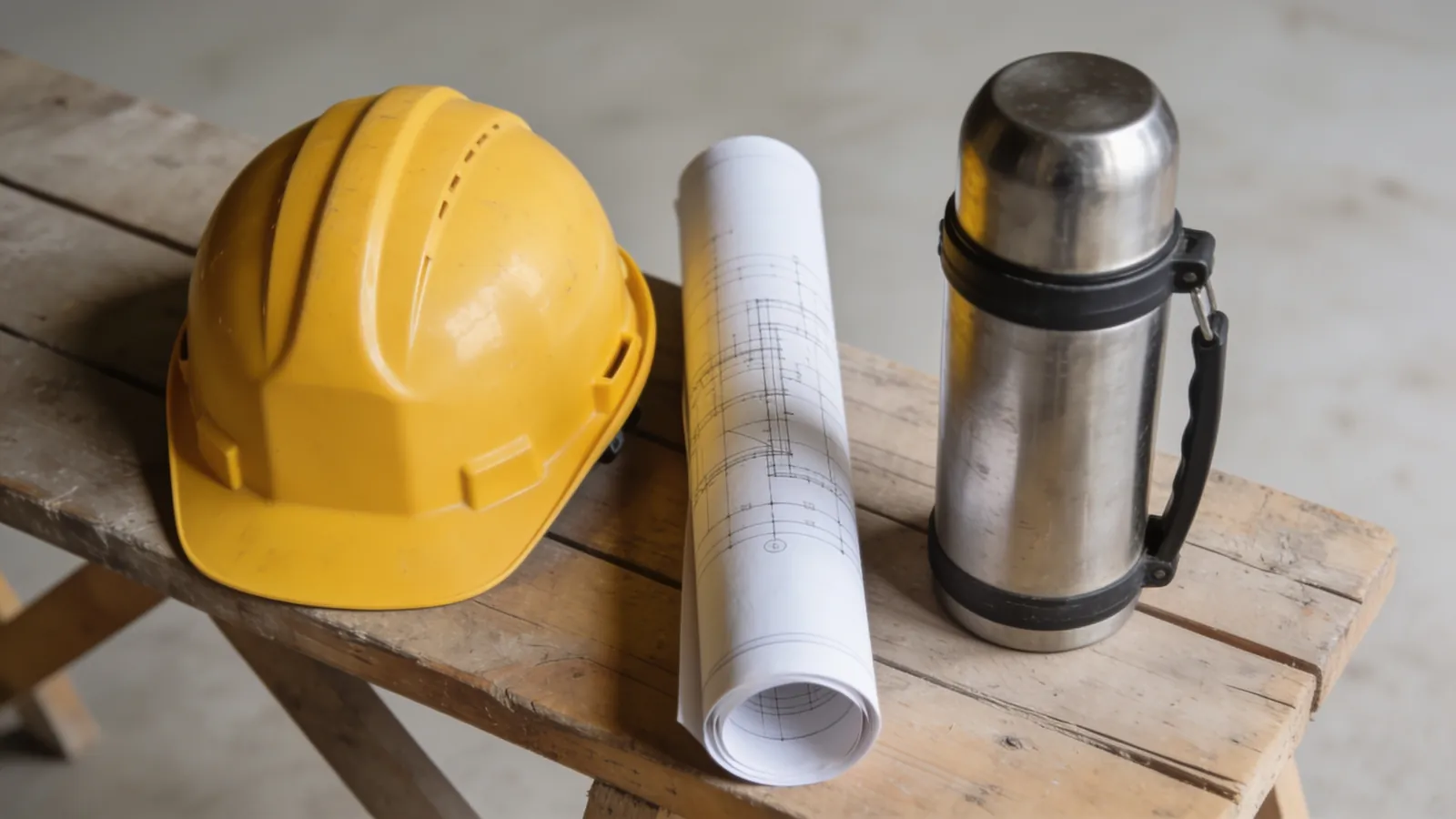
Project Focus, the way I run projects, begins with one page, because a date eight years away is a procrastinator's dream and a planner's nightmare. Here is the page I would write for my own company. You can write it in an evening.
1. The question in one sentence. "By the end of 2027 we will know whether to prepare for work connected to the 2034 Games, and if so, which kind." Notice the deadline. Nothing about this plan says "win a Games contract."
2. The pot and the buyer. Name the pot (private, state, surroundings) and the buyer. If you cannot name a buyer, find one. The public pages in this article are where to start. Write the name, the page you read and the date you read it. That is the same discipline as a stakeholder register: a name, a role and a next action.
3. The prerequisites. What does the buyer require before it will talk to you? For state construction it is prequalification. For many large packages it is insurance limits, safety records and references. Make a list with a date next to each item. Most small businesses lose on paperwork, not on price.
4. The capacity test. Could you do this work next to your normal work, without breaking either? This is the capacity and bottleneck question again: a good contract that doubles your workload and halves your quality is a bad contract. Write the number of people-hours you would need and where they would come from.
5. The stop rule. The most useful line on the page: "If by [date] we have not [specific event], we stop spending time on this." A lightweight governance habit that saves months. An event might be a prequalification letter, a meeting with a prime contractor or a written request for a quote.
6. The 30 percent test. Rerun the plan assuming 30 percent less work than you hoped for. If the plan survives, spend. If it dies, you have found out for free. The risk register has a column for this: what changes if the thing you hoped for is smaller or later.
Hall of fame of Games-fever mistakes
- The new-logo syndrome. Spending thousands on a website, a banner and a Games-themed brochure before talking to a single buyer. Nobody was ever awarded a contract for a gradient.
- The mixed pot. Telling the bank the state has $50 million for upgrades, so your company is "in a $50 million market." The pot belongs to a state agency, it covers public facilities and it is an estimate.
- The 2002 memory. Planning from how it felt in 2002. The world, the rules, the technology and the prices are not the same. Read the 2026 pages.
- The lunch-counter tip. Acting on a friend of a friend who "knows somebody at the committee." In public projects the doors are public pages, lists and calendars. A tip is a reason to read the page, not a reason to skip it.
- The single-customer plan. Putting the whole company on one buyer whose deadline you cannot move. The Games end on a date. Your company is supposed to keep going on the day after.
- The 2033 sprint. Waiting until the last year. Prequalification, insurance, hiring and training take quarters. A Games business that begins in 2033 is a business in a hurry.
What to do this month
Block 90 minutes this week and do four things, in this order. Read the organizing committee's site and write down which venues and dates concern you. Read the DFCM and U3P pages if you sell to the state, and write the date you read them. Write the one-page plan above. Put a review date in your calendar for the first Monday of each quarter, and keep the stop rule honest. If you want a coach for the page, the Project Focus approach is what I do, and the Utah business series covers money, staffing and growth for the local company that would do the work. The Utah small business resource guide lists the free advisers who can read your page for nothing.
What I could not confirm
I could not read a public list of the work packages for the 2034 venues, a cost by venue, a schedule or a contract plan. I could not read the steps for bidding on the state's portal or the full text of the prequalification notice of November 12, 2026. I could not confirm the date of the hotel-room report. The June 2026 legislative briefing is described by a news report, and I did not read the legislature's own document: a PDF from the interim committee pages could not be read by my tool. I do not know what the organizers will buy, from whom or when. If you want to bid, the official pages above and the buyers themselves are the sources, and I will correct this guide if any of this changes.
Related reading
For the habits behind this guide, see how to start a business in Utah for the ten decisions, hiring a contractor in Utah for the buyer's side and the construction schedule delays guide for what hurts renovation work. The project charter guide is the format for the one-page plan, and the operations consulting guide shows when a team needs a second pair of eyes. For the bigger picture, read Utah is getting ready to build again, the downtown district's three dates and the Utah economy numbers. The free templates include a decision log that fits this plan.
This guide reflects public information as read on November 15, 2026 and my own reading of it. It is not legal, financial or bidding advice, and it is not an official position of any organization. Confirm every fact and requirement on the official pages before acting.
Frequently asked questions
Will the 2034 Winter Games mean a lot of new construction in Utah?
Not for venues, according to the organizers. Their website says all 13 competition venues are existing venues from the 2002 Games. A state official told lawmakers in June 2026 that upgrades could still cost the state more than $50 million, and roads, rail and districts around the Games are separate projects with their own owners. Expect renovation and infrastructure work, not a new stadium for every sport.
How can a small contractor get state construction work in Utah?
The public doors are the state's U3P bidding portal and the prequalified contractor lists of the Division of Facilities Construction and Management. I read both pages on November 15, 2026. The DFCM page lists a news item dated November 12, 2026 about contractor prequalification dates. Read the official page for requirements and deadlines, and call the office listed there with questions.
Who pays for the 2034 Games?
Organizers say the Games' operations will be paid with private money (ticket sales, sponsors and the IOC) and not with state or local taxpayer money. Taxpayer funds are still expected to cover some infrastructure, such as publicly owned venues, transportation and public safety, according to a June 2026 report. Utah is also described as the financial guarantor of the Games in October 2026 coverage. Always ask which budget a number belongs to.
Should my small business do anything about 2034 now?
Do something small and dated. Write a one-page plan: the pot of money, the buyer, the prerequisites, a capacity check and a stop rule with a date. Review it each quarter. Do not spend on branding or hiring until a real buyer has asked for something in writing.
Everything new, once a month.
One email on the 1st of every month with everything new: articles, series parts, news, website updates, project results, where I am working and the business opportunities I am looking at. No spam.
- Fresh on the site right now
- ArticleMeasuring the Return of Automation: Hours, Errors and Cash, Counted Honestly
- NewsSalt Lake City finishes 600/700 North: what a $20 million road project teaches a project manager
- SeriesThe quote: from request to signed yes
Join the conversation
Did this help? A quick reaction tells me what to write next.
Be the first to react.


Loading comments…