Strategy & Results · 12 min read
Process Teardown, Part 2: The Quote, from Request to Signed Yes
Part 2 of a weekly series: map a quote from request to written yes, find six leaks and fix them with a template, a menu, follow-ups and four numbers.
 Dennis AlejoBusiness consultant · Project & operations manager · · 2,531 words
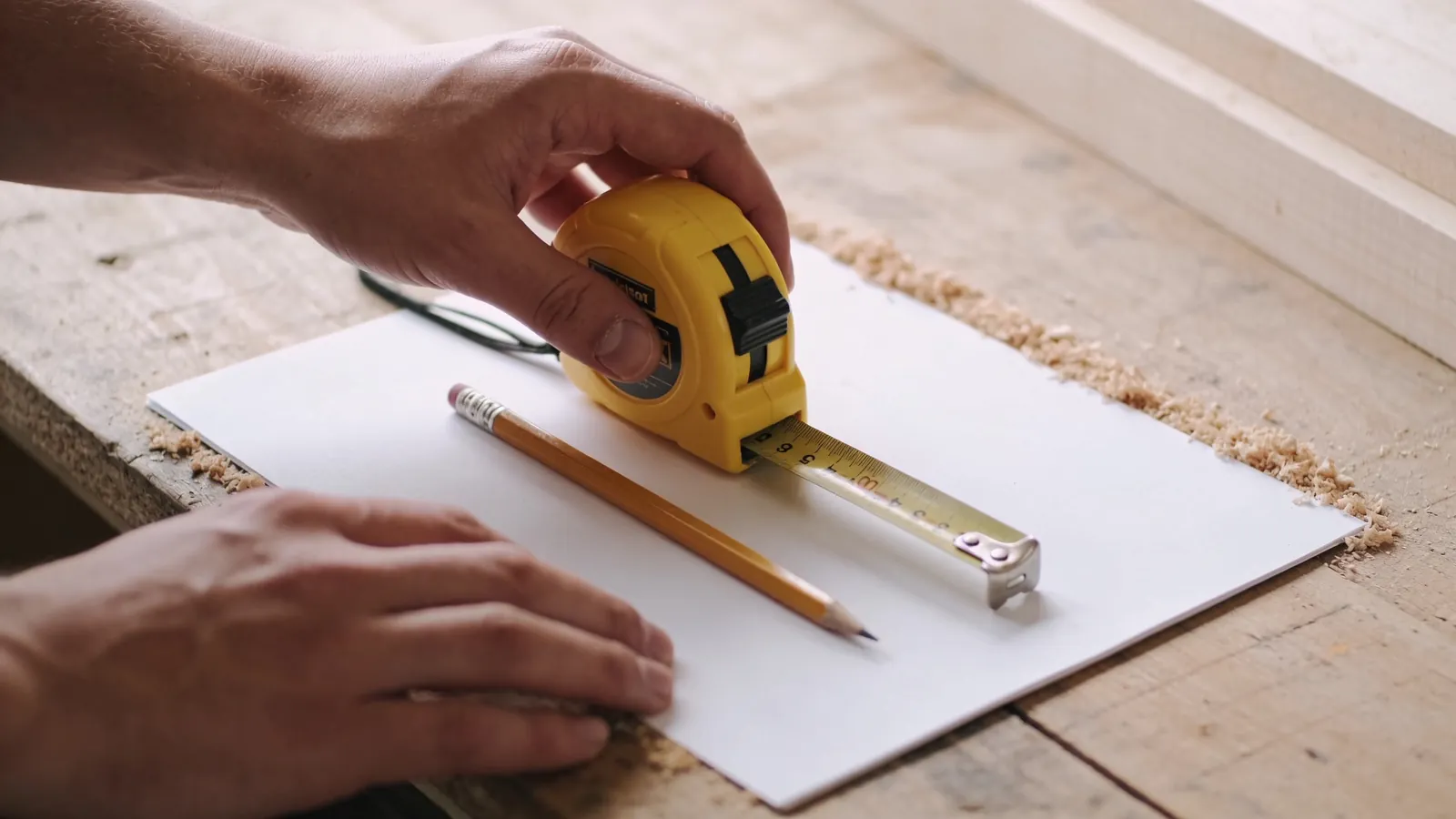
There is a PDF out there that left a small business on a Thursday afternoon and has never been seen again. It was carefully made. It had a logo, a line for every item and a total in bold. It went to a customer who said "that looks great, we will talk it over." Nobody ever mentioned it again. The business marked it "pending," a word that in many companies means "dead, but we are too polite to say so."
This is the second part of Process teardown, the weekly series where I take one common business process apart, step by step, and show where it leaks and how to fix it. In part 1 we looked at the new inquiry. This week we pick up where it ended: the customer has a first answer and says the most dangerous sentence in business, which is "send me a price."
Why I call the quote an operations process
Let me be clear about who is talking. I do not teach pricing, negotiation or closing techniques, and I would not trust anyone who promised a secret one. What I know is how work moves, where it waits and what it costs to leave it waiting. A quote is exactly that kind of work. It has an input (a request), steps (understand, price, write, send), handoffs (to the person who knows the numbers), waiting (for the customer, and for your own team) and an output (a decision). That is Project Focus in a sentence: leads, operations and sales are not three separate worlds. They are one flow, and the flow breaks at the handoffs, as I explained in Project Focus, Part 2.
So when I say "improve your quoting," I mean "treat the quote as a process and manage the queue." The method is the same one in process improvement: map, measure, fix.
The process in one line
Write it as "from X to Y":
From: a customer asks for a price. To: the customer says yes in writing, or says no and you know why.
Notice the end. It is not "the quote is sent." A sent quote is the middle of the process, and the part you can control is whether it reaches a decision.
The map of a typical quote
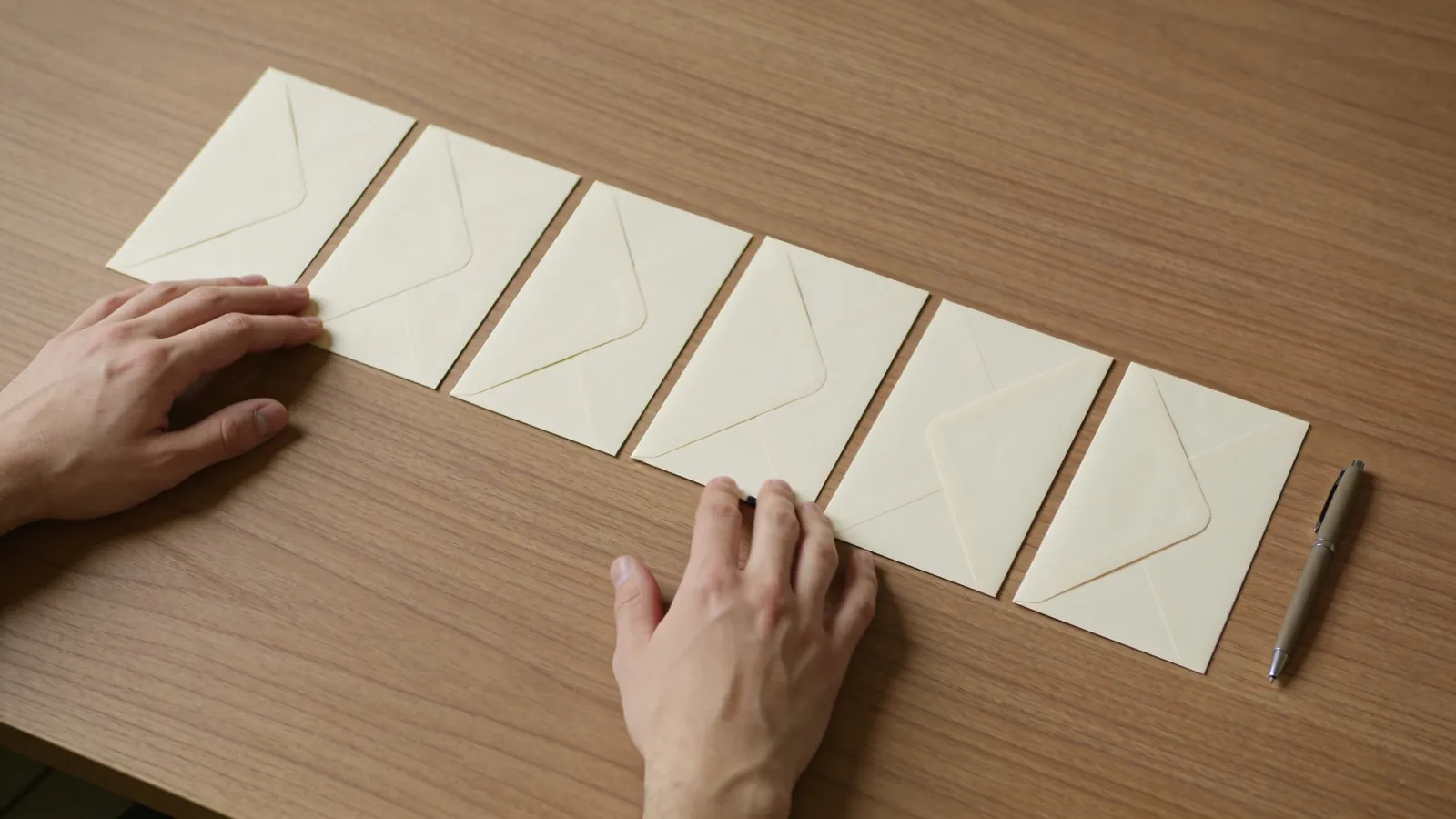
When I map this with a small business, the picture on the wall usually looks like the one below. Count the steps, the handoffs and the waits.
- The customer asks for a price, usually in one line.
- Someone replies with questions. Wait for the answers.
- The answers arrive in three emails and a phone call, in the wrong order.
- The request goes to the one person who knows the prices. Handoff, then wait.
- That person builds the quote from scratch in a spreadsheet, between other jobs.
- The owner reviews the quote, or says "I will look at it tonight." Wait.
- The quote is sent as a PDF with "let me know if you have questions."
- Silence. Wait.
- Eventually someone remembers, ten days later, and sends "just checking in."
- A decision happens, or the quote is marked "pending" forever.
Ten steps, at least two handoffs, four waits and a final step that depends on someone remembering. Nobody designed this either. It is the sum of everyone's good intentions and a very full week.
Where it leaks
Here are the six leaks I see most often, from the most common to the most expensive.
1. The request arrives incomplete
"Can you send me a price for a kitchen?" is not a request. It is a starting point. If the first reply is a list of eleven questions, the customer feels interrogated; if there are no questions, the quote guesses and the guess will come back as a dispute. The fix is a short intake: five questions that decide the price, asked once, in the first reply or on the form.
2. The quote waits for the one person who knows the prices
The classic bottleneck. One person holds the prices in their head, and the queue forms behind them. It looks like a capacity problem and often it is a knowledge problem. The capacity planning guide and the theory of constraints for project managers show how to see it, and the cure is usually to write the prices down.
3. Every quote starts from a blank page
If you build each quote from scratch, you pay the full cost of thinking every time, and you produce a slightly different document every time, which makes your own business hard to compare with itself. A template and a short price list turn a two-hour job into a twenty-minute job and make mistakes visible.
4. The quote says too little
A price with no scope is an invitation to argue. A good quote has a short list of things, and I would not send one without them:
- Scope in plain words: what you will do, in a sentence anyone can read.
- What is not included, which prevents most disputes before they exist.
- Assumptions: what you expect to be true (access, timing, decisions by a given date) and what happens if it is not.
- Price and how it is built: a total, and how it is made up if the customer will ask.
- Timing: when you can start and how long it takes.
- Validity: how long the price holds. Prices have a shelf life.
- The next step, which is one action: "reply 'yes' and I will send the agreement and an invoice for the deposit."
Scope that grows after the yes is the same problem as scope creep, and the way a small business handles it later is through change orders. The quote is the first line of defense, and the cheapest.
5. No follow-up
Most quotes that die were not rejected. They were forgotten, by both sides. A single polite follow-up, three business days after sending, often decides between a decision and silence. Without a process nobody sends it, because nobody remembers whose job it is. A date on the owner's calendar fixes that.
6. No record of why you lost
"Never heard back" is not a reason. If you do not know why a quote was lost (price, timing, scope, a competitor, a postponed project), you cannot learn anything from it. One short question after a "no" or after the last follow-up ("would you tell me in one line what decided it?") is a very cheap form of market research. It is also an honest way to close the file.
Speed matters, and I will not oversell it
The Harvard Business Review study I mentioned in the first part, and summarized with its source in AI for sales: follow-up that never forgets, looked at how fast companies answered web inquiries, not at quotes. I do not know of a reliable study that says "send quotes in two days and win more." So I will not claim one. What I can say is plain common sense: while your quote waits in your queue, the customer is asking someone else, and a quote that arrives after the customer has decided is a quote nobody reads. Measure your own speed, then judge.
The four numbers
You do not need a dashboard. Four numbers on a page will do. Define each in one sentence and keep the definition fixed, as in Project Focus, Part 3.
- Time to quote. From the moment the request is complete (you have what you need to price it) to the moment the quote is sent. Use the median of the last 20 quotes, in working days. If the request is never complete, count from the first message and notice how long "complete" takes.
- Quotes waiting. How many sent quotes have no decision yet, and how old the oldest one is. A queue of five is a pipeline. A queue of forty is a graveyard.
- Followed up in three business days. The share of quotes that got one real follow-up in that window.
- Quotes decided. Of the quotes you sent, how many ended in a yes or a no (as opposed to "never heard back"). This one is more useful than the win rate. A business that knows why it lost can improve. A business that guesses cannot.
Collect them by hand for two to four weeks. A shared spreadsheet with six columns (customer, date complete, date sent, date of follow-up, decision and reason) is enough. It is boring, and boring is how you find the leak.
The teardown, with illustrative numbers
The numbers below are invented to show the method. They are not from a client.
A small landscape design studio sends about 30 quotes a month. The owner maps the process and follows the last 20. The median time to quote is 6 working days. Only 8 of the 20 got a follow-up. Of the 20, 5 were won, 7 were lost with a known reason and 8 ended in "never heard back." The oldest quote waiting is 51 days old.
On the map, the owner sees four things. Every quote is built from scratch in a spreadsheet by the owner, at night. The request is never complete the first time. The quote does not say what is excluded. Nobody follows up.
The owner changes four things, in this order:
- Standardizes the request. Five questions on the form and a site-visit option for anything above a set size.
- Builds a short menu. Three standard packages with ranges, so most quotes become a choice, not a project.
- Writes one template with scope, exclusions, assumptions, validity and a single next step. It lives in a shared folder.
- Adds two follow-ups and a question. A message three business days after sending, another a week later, and a one-line "what decided it?" email when a quote goes cold.
After six weeks the owner measures again. The median time to quote falls from 6 working days to 2. Follow-ups rise from 8 of 20 to 18 of 20. "Never heard back" falls from 8 to 3. The number of won quotes goes from 5 to 7 of 20. With a sample this small, that last change could be luck, and I would not claim it as a result. The change I would defend is the third one: the owner now knows why 17 of 20 quotes ended the way they did. None of the four changes needed software. They needed a map, a template and a calendar.

The fix ladder for quotes
As in any process, fix in this order and stop when it works.
- Eliminate. Stop quoting what you can price on the spot. Remove the owner's approval for small jobs. Remove the third round of questions.
- Simplify. Three packages or a short price list beat a custom number for every request. Customers like a choice more than a blank page.
- Standardize. One template and one price list, kept in one place and improved every month. The template is where the exclusions and assumptions live.
- Reorder. Send a range today and the exact price after a call or a visit. A fast range keeps the conversation alive and filters out customers whose budget is far away.
- Automate. Only now: a form that fills the request, a template that fills itself from the form, reminders for the follow-ups and an electronic signature. See business process automation: twelve examples that pay back and, before you build anything, how to measure whether the automation paid back.
- Consider an AI helper. A tool that drafts the wording of the scope from your notes, for a person to read, correct and send, saves time. A tool that sets the price or sends the quote alone, in a business where a wrong price costs real money, deserves caution. The guide on AI contract review explains where the line sits, and the one-page AI policy helps you write down who checks the output.
The AI helper comes last for the reason automation does: if the process is confused, a faster machine produces confusion faster.
A quote is not a contract (and a contract is not a quote)
A short word of caution. A quote is an offer with a price. Depending on how it is worded and where you live, it may also create obligations, so the fine print matters. I am not a lawyer. If your quote turns into the agreement by accident, ask a lawyer to review the template once. The guides on contract management and contract risks that cost projects explain what to look for, and your lawyer can turn the template into something that holds. One hour of that, once, is cheaper than the first dispute.
The hall of fame of quote mistakes
- The PDF of silence. The quote goes out and the process ends. Nobody owns what happens next.
- The menu of nine. Nine options, three add-ons and a discount. The customer picks none.
- The "let me know" close. The next step is the customer's imagination.
- The immortal quote. No validity date, so the price from March is signed in November.
- The accidental contract. The quote says "we will do whatever is needed." The customer holds you to it.
- The hero estimator. One person prices everything and then takes a holiday.
- The invisible loss. Eight quotes died last month, and the business remembers none of them.
I have never met a business that was careless on purpose. They were busy, and busy people send PDFs into the void.
Try the quote kit
The tool below builds the four small texts that fix most of these leaks: the cover note, a checklist for the body of the quote, two follow-ups and the "what decided it?" question. Fill in your business, the promise you can really keep, what is included and excluded, how long the price holds and the single next step. The tool warns you if the promise has no number in it, if nothing is excluded or if there is no next step. The sample is invented. Nothing you type leaves your browser.
What to do this week
Take your last ten quotes and write down, for each one, the date it was sent, whether anyone followed up and whether you know the decision. That list is your baseline. Then do three things: write the exclusions and the validity date into your next quote, put the follow-up on the calendar the day you send it and ask the "what decided it?" question on the next two quotes that go cold.
Next week, in part 3, we tear down the handoff: from "signed yes" to a kickoff that everyone understands. If you want help mapping your own lead-to-cash flow, look at my services, the free templates and the two-minute diagnostic, or tell me about your business.
What is the oldest quote still "pending" in your files, and how many days has it been waiting? Tell me in the comments. I will not tell your customer. Probably.
General information, not legal, financial or tax advice. Examples are illustrative and the numbers are invented. Prices, discounts and the terms of your quotes are your business decisions; ask your lawyer to review a quote template before you rely on it as an agreement.
Frequently asked questions
What should a business quote include?
At minimum: the scope in plain words, what is not included, the assumptions behind the price, the price and how it is built, the timing, how long the price is valid and one clear next step. Exclusions and assumptions prevent most disputes, and a validity date stops an old price from being signed months later.
How quickly should I send a quote?
There is no universal number, and I would not trust anyone who gives one without a source. Measure your own median time from a complete request to a sent quote, set a promise you can keep, and consider sending a range the same day and the exact price after a call or a visit.
How many times should I follow up on a quote?
A reasonable pattern for many small businesses is one follow-up about three business days after sending and another a week later, then a short question about what decided it. The exact timing matters less than having an owner and a date on the calendar, because without them nobody follows up.
Can AI write my quotes?
A tool can draft the wording of the scope or a cover note from your notes, for a person to read and correct. Letting a tool set the price or send the quote alone is riskier, because a wrong price costs real money. Fix the process first, because automation makes a confused process faster, not better.
Everything new, once a month.
One email on the 1st of every month with everything new: articles, series parts, news, website updates, project results, where I am working and the business opportunities I am looking at. No spam.
- Fresh on the site right now
- ArticleMeasuring the Return of Automation: Hours, Errors and Cash, Counted Honestly
- NewsSalt Lake City finishes 600/700 North: what a $20 million road project teaches a project manager
- SeriesThe quote: from request to signed yes
Join the conversation
Did this help? A quick reaction tells me what to write next.
Be the first to react.


Loading comments…