Hospitality · 10 min read
Restaurant Opening Checklist: Six Lists, One Calendar, Worked Backward from Opening Day
Six short lists (paper, place, people, product, systems, launch), a backward calendar, a rehearsal and the first 30 days. Run the opening as a project.
 Dennis AlejoBusiness consultant · Project & operations manager · · 2,159 words

Every restaurant owner remembers the first time the front door opened. Not because of the champagne. Because of the thing nobody had planned: the ice machine that was delivered but not plumbed, the license that was in the mail, the waiter who asked, with great politeness, "Where do we keep the spoons?" The kitchen was beautiful. The project was not finished.
If you are opening a restaurant, a café or a food truck, the good news is that the work is knowable. The bad news is that it has many parts, and some of them take longer than you think. This guide gives you a checklist you can run as a project: six lists, one calendar and one rule, which is to work backward from opening day. I write as a project and operations manager, so the focus is on sequence, owners and dates. It is not legal, tax or health-code advice. Licenses, inspections and food-safety rules depend on your city, county and state, and they change. Confirm each item on the official page for your location, and ask your local health department early.
Why an opening is a project
A project has a goal, a deadline, a budget, a team and a pile of things that depend on each other. An opening has all five. It also has the one feature that makes projects dangerous: the date is public. Someone has told the landlord, the staff, the supplier, the neighbors and the cousin with the camera. Slipping the date is expensive and embarrassing, which is why most owners hide the slip until it is too late.
If you have read the restaurant is a project guide, you know that service is a project with an immovable deadline. The opening is the same idea, one level up: the whole business has an immovable deadline. And as the clinic opening article shows, the pattern repeats in any business that has to open its doors on a published day: the building, the permits, the people and the systems all have to be ready at the same time, and the last 10 percent takes 30 percent of the effort.
The six lists
Do not keep one giant checklist. Keep six short ones, each with an owner. When you can answer "who owns the paper list?" with a name, you are ahead of most openings.
1. Paper: licenses, permits and insurance
This is the list with the longest waits and the least flexibility. The usual categories, which you should confirm for your own location:
- Business registration and licenses. The business entity, the state and local business license, and the tax accounts, including the one for sales tax. The Utah business series lists the official steps and where each lives.
- Food service permit and plan review. Most health departments review the kitchen plans before construction and inspect before opening. Ask what they need and how long they take. Their answer sets your calendar.
- Food handler and food manager requirements. Check what your health department requires of your staff and your person in charge, and when the courses or exams must be completed.
- Alcohol, if you will serve it. The state alcohol license has its own process, rules and waiting times, separate from everything else. Start as early as the official page allows.
- Fire and building inspections, and the certificate of occupancy for the space.
- Insurance. Liability, property, workers' compensation if you will have employees, and whatever your lease requires.
Put each item on a table with four columns: what, who, applied on, expected by. That last column is the one that saves openings.
2. Place: the kitchen, the equipment and the inspections
- Layout and flow. Where food comes in, where it is stored, prepared, cooked, plated and served, and where dishes go back. A bad flow costs you steps every day for years.
- Equipment, with lead times. Hoods, refrigeration and the oven often have long delivery windows. Order them as soon as the design is fixed, and ask for the delivery and the installation date.
- Utilities and connections. Gas, water, drains, grease trap, electrical capacity, internet. A machine that arrives before its connection is a very expensive shelf.
- Pre-inspection walk. Walk the space with the health department's own checklist a week before the inspection, as if you were the inspector.
- Signage and wayfinding. A guest who has never been there should find the door, the host, the restroom and the exit.
3. People: hiring, training and roles
- Who you need, and by when. Work backward from opening: a kitchen lead, line cooks, servers, a host, dishwashers, a manager. Hiring takes longer than the equipment.
- Roles and decisions. Who decides about the menu, the schedule, the spending, a complaint? A short RACI chart settles this in an afternoon.
- Training plan. A week of training before the soft opening, with stations, recipes, the point of sale and a few "what if" drills: a spill, a late supplier, a guest with an allergy.
- The schedule for the first four weeks. Build it before you hire, not after.
4. Product: menu, suppliers and costs
- A menu you can cook on a Tuesday. The menu that looks good on paper and takes 40 minutes per ticket is a project risk. Test every dish under time.
- Suppliers and delivery windows. At least two for the items you cannot run without, with order deadlines and minimums.
- Cost of each dish. Price from the costs, not from the neighbors' prices.
- Par levels. The amount of each key item you want on the shelf at open. Inventory is a trigger, not a feeling.
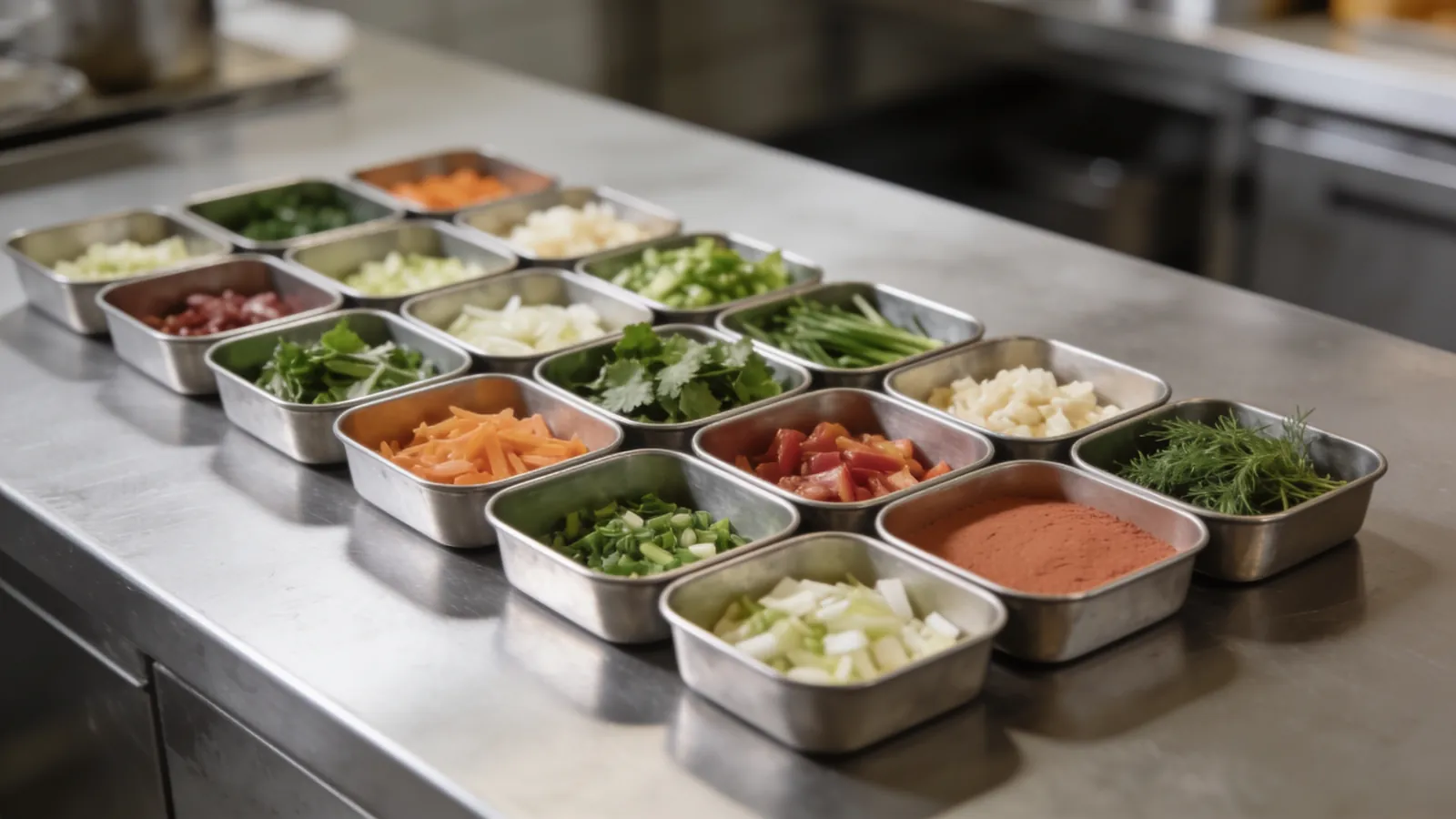
5. Systems: point of sale, payroll and phones
- Point of sale. Menu loaded, taxes set, tested with a real ticket.
- Reservations and online listing. Hours, address, photos and the phone number that actually rings.
- Payroll, accounting and the bank. The accounts, the process for payroll and the weekly report.
- Tools you can tolerate. A simple board with owners and dates is enough: Kanban for small teams shows the three-column version.
6. Launch: rehearsal and the first weeks
- A dress rehearsal. A full service for staff and friends, on a real menu, timed.
- A soft opening. Invite neighbors and local businesses for a day or two, with feedback cards and a quick debrief.
- Opening day plan. Who is where, a short briefing and one person whose only job is to watch the room.
- The first 30 days. Daily five-minute debrief, three numbers on one page and a decision about what to change first.
The calendar: work backward from the date
The single most useful move is to put opening day at the right edge of a page and work backward. Below is an illustrative sequence. The weeks are an example, not a rule: your permits, space and menu decide the real ones.
The item that moves everything else is the critical path: the longest chain of dependent tasks, which sets your earliest opening date. In most restaurants it runs through permits and inspections, the long-lead equipment and hiring and training. If you have never found a critical path, the critical path explained walks through a worked example, and project schedule management shows how to keep it honest as the weeks go by. The practical rule is simple: the things with long, uncontrollable waits go on the calendar first, and everything else is arranged around them. Deadlines on a construction site has the Monday look-ahead habit that keeps this visible.

An illustrative example: a 28-seat neighborhood restaurant
This is a made-up business. Two owners lease a former café with a working kitchen shell. They write the six lists on one sheet and give them to three owners: one handles paper, one handles place and product, one handles people, systems and launch.
On week one, the owner of the paper list calls the health department and learns that a plan review is needed before changing the kitchen layout, with a waiting time that will set their date. She puts the date on the calendar and ordering the hood and the walk-in cooler becomes the second critical item. On week three, the people owner posts the two jobs that take longest to fill and sets the training for the two weeks before the soft opening.
At the dress rehearsal, on a Tuesday, they discover that tickets for the busiest dish take 24 minutes, because the fryer is on the wrong side of the pass. They move it. The soft opening, for 40 neighbors, finds a printer that does not talk to the kitchen. They fix it. On opening day, the first paying customer asks for a recipe, not a rescue. The numbers and details in this example are illustrative.
A word about money: the budget behind the checklist
Every item on the six lists has a price, and the price is rarely a single number. Write a budget with three layers: the base estimate for each list, a contingency tied to named risks (a late permit that forces you to pay rent on a closed room, an installation that needs one more electrician visit) and a cash reserve for the first months, when the doors are open and the sales are still finding their level. Keep the reserve outside the project budget and say out loud who may spend it. Then do the one habit that saves most openings: update the forecast every week, with what you have paid, what you have promised and what you still expect to spend. A restaurant that knows its numbers on Friday can still fix them on Monday. One that finds out in the third week of service is already negotiating with the bank.
Risks that show up in almost every opening
Keep a short risk register from day one. The usual suspects:
| Risk | Response |
|---|---|
| A permit or inspection takes longer than planned | Ask for the real waiting time and build it into the calendar |
| Equipment arrives late or cannot be installed | Order early, confirm the connections, keep a backup for the key item |
| Hiring is slower than expected | Start before you feel ready; write the job as a result, not a list of duties |
| Costs run over | A contingency for named risks, a weekly forecast and approval before any change |
| The kitchen cannot execute the menu under pressure | Timed tests and a short opening menu |
- A permit or inspection that takes longer than planned. Response: ask for the real waiting time and build it into the calendar.
- Equipment that arrives late or cannot be installed. Response: order early, confirm connections, keep a backup plan for the key item.
- Hiring slower than expected. Response: start before you feel ready, and write the job as a result, not a list of duties.
- Cost overruns. Response: a contingency for named risks, a weekly forecast and approval before any change. The cost management guide explains how.
- A menu that the kitchen cannot execute under pressure. Response: timed tests and a short opening menu.
The first 30 days
The opening is not the finish line. It is the point where the project becomes the business. For the first 30 days, keep it small and visible:
- A five-minute debrief at the end of every service. What went well? What slowed us down? What will we change tomorrow?
- Three numbers on one page: for example the time from order to table, the share of dishes returned and the cost of food as a share of sales. Pick yours, define them in one line and look at them every week.
- One change at a time. The temptation after opening is to fix everything. Pick the one change that helps most and measure it.
This is the same weekly rhythm described in Project Focus, applied to a dining room.
The hall of fame of opening mistakes
- The ice machine without a drain. Equipment ordered, connection forgotten.
- The perfect menu that nobody can cook on a Tuesday.
- The license "in the mail". Without an expected date and a person to call.
- Hiring after the equipment. The kitchen is ready and the cooks are not.
- No rehearsal. The first service is the test, with paying guests.
- One person who knows everything. When she gets the flu in week one, the opening has the flu too.
- A budget with no contingency. Something always costs more than the plan.
- No debrief. The same problem is found again every night.
Build your countdown
The tool below builds a backward timeline from your opening day, with the milestones from this guide. Move any date to fit your own permits and equipment.
What to do this week
- Write opening day at the right edge of a page and the six lists down the side.
- Give each list an owner, with a name and a backup.
- Call the health department and ask what they need before construction, and how long they take.
- List the equipment with the longest delivery times, and confirm the connections for each.
- Write the three numbers you will watch in the first 30 days.
- Book the dress rehearsal and the soft opening on the calendar now, even if the dates move.
If you are opening a restaurant, a café or any business with a public opening date, my services page explains how I help owners run the opening as a project, or you can take the diagnostic to see where your plan is thin. For the official steps to start a business in Utah, begin with the Utah small business resource guide. This guide is general information, not legal, tax or health-code advice.
Frequently asked questions
What should be on a restaurant opening checklist?
Six lists: paper (business license, food service permit, inspections, alcohol license if you will serve it, insurance), place (layout, equipment, utilities and pre-inspection), people (hiring, roles, training), product (menu, suppliers, costs, par levels), systems (point of sale, reservations, payroll, accounting) and launch (rehearsal, soft opening, opening day and the first 30 days). Give each list an owner and a date.
How long does it take to open a restaurant?
It depends on the space, the permits and the equipment, so there is no single answer. The waits that set the date are usually the plan review and inspections by your health department, the long-lead equipment and hiring. Ask each office for its real waiting time, put those on the calendar first and work backward from the date you want.
Do I need a soft opening?
It is strongly worth it. A soft opening with friends, neighbors and local businesses finds the problems with the layout, the menu timing, the systems and the training while the stakes are low. Treat it as a rehearsal with a debrief afterward, and fix the top two or three problems before the public opening.
What are the most common mistakes when opening a restaurant?
Starting permits late, ordering equipment without confirming the connections, hiring after the kitchen is ready, planning a menu that cannot be cooked under pressure, skipping the rehearsal and budgeting with no contingency. Each one is avoidable with a calendar worked backward from opening day and an owner for every list.
Everything new, once a month.
One email on the 1st of every month with everything new: articles, series parts, news, website updates, project results, where I am working and the business opportunities I am looking at. No spam.
- Fresh on the site right now
- ArticleA One-Page AI Policy for Small Businesses: Nine Lines Your Team Will Read
- NewsSalt Lake County's $128 million recreation bond: what a project manager sees
- SeriesThe weekly rhythm: a 30-minute meeting that runs the business
Join the conversation
Did this help? A quick reaction tells me what to write next.
Be the first to react.


Loading comments…