News · 5 min read
Pioneer Park reopened: what the opening-day reports say, and what was dropped
The date held, about 200 people came and one building was dropped. Four habits: a checkable date, written scope cuts, defined numbers and a handover.
 Dennis AlejoBusiness consultant · Project & operations manager · · 1,091 words
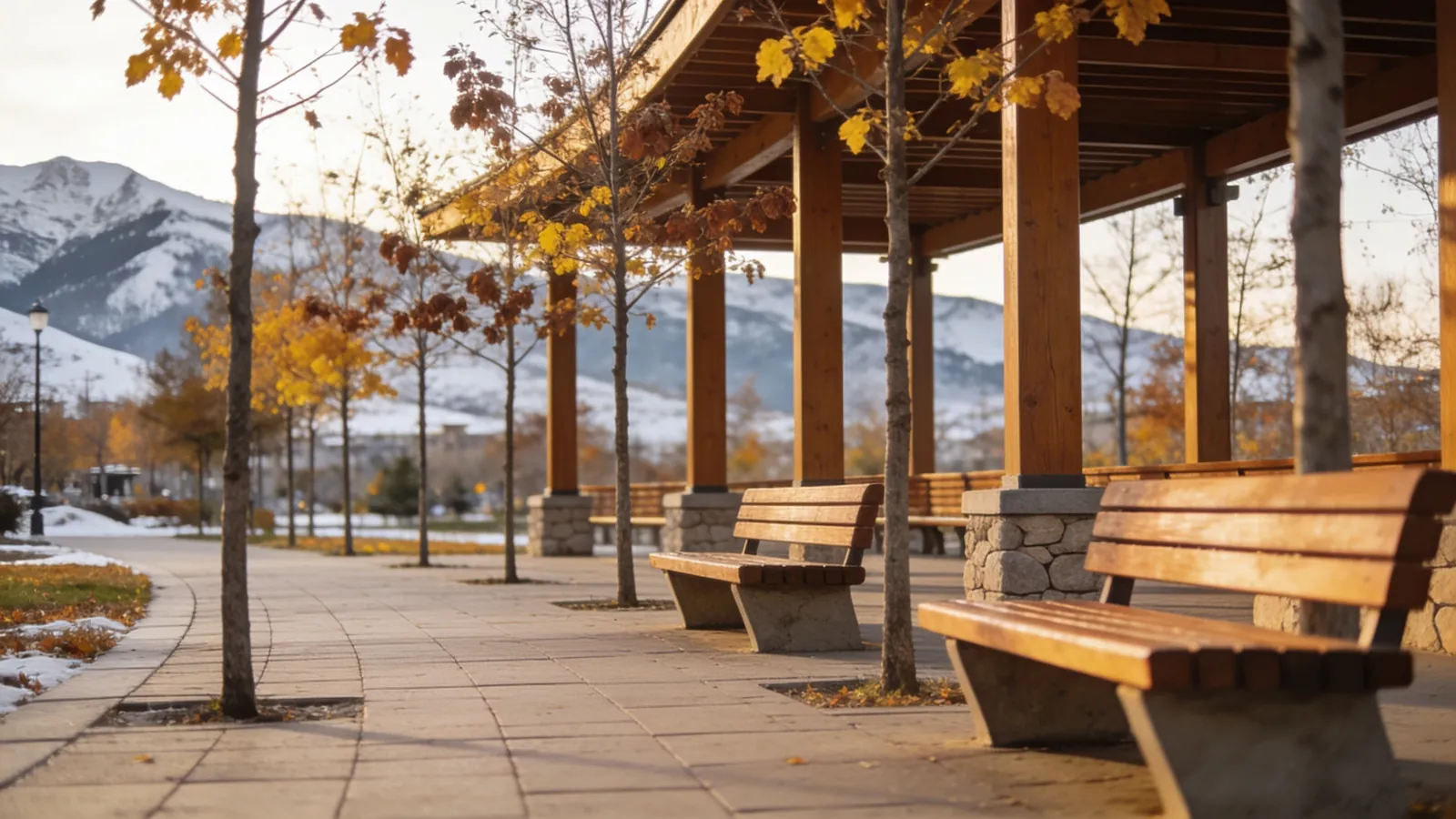
A month ago, a Salt Lake City park was "80% to 90% complete" and had a date. This week the date arrived, and it held. That is already rarer than people admit: ask anyone who has opened a restaurant.
This is a follow-up to my earlier reading of the announcement, where I wrote that I had found the announcement but no report of the event. I am an operations person, not a city planner, and I did not attend. What follows is my reading of what the city and the Tribune published, with my opinion marked as opinion.
What the reports say happened
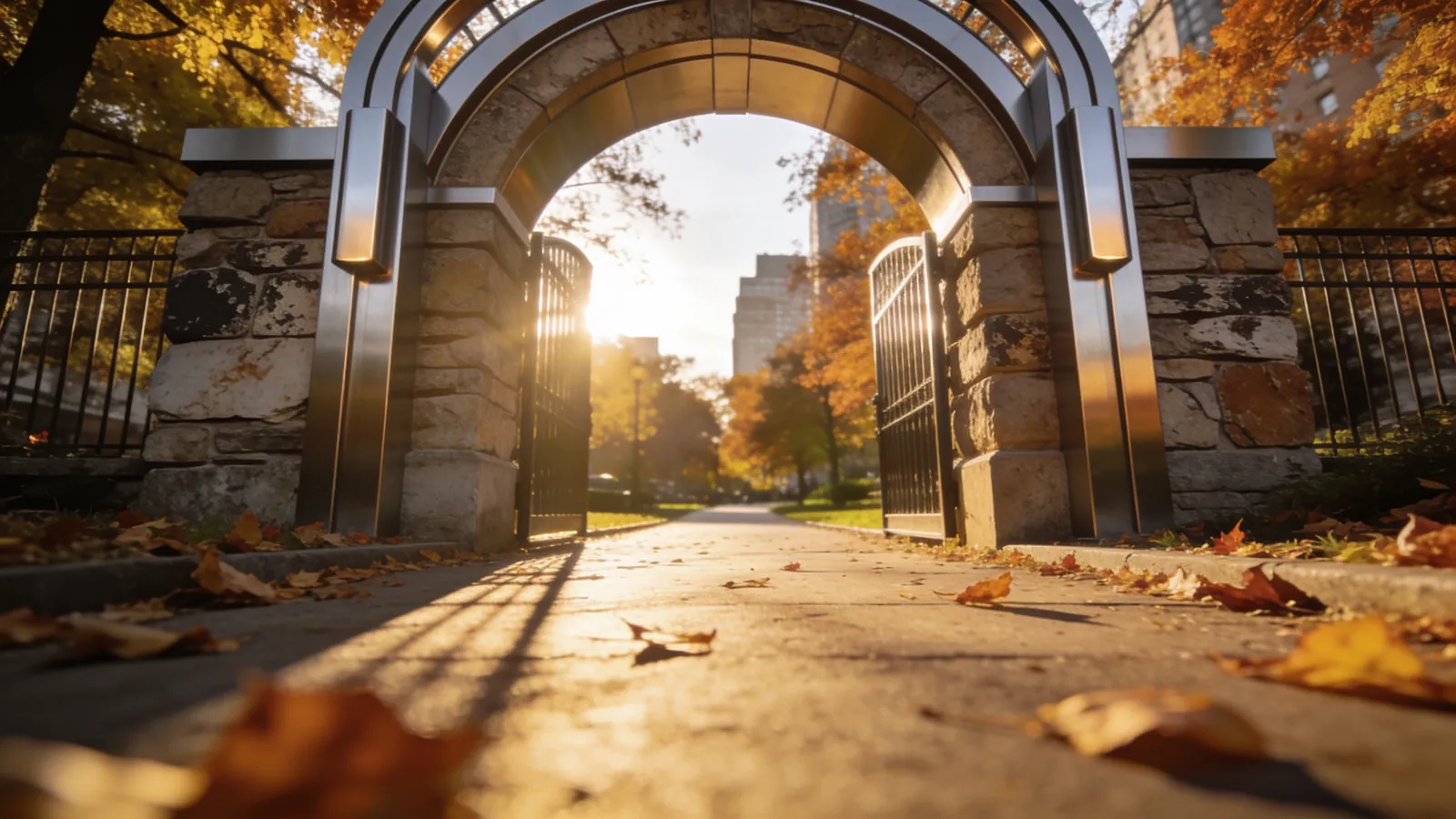
The city's own account, posted on November 13, says Salt Lake City reopened Pioneer Park that day, after an eight-month transformation. It lists an all-abilities playground, a pavilion, a promenade with a section for food trucks, a mist-fountain plaza, pickleball and basketball courts, a dog park, new landscaping, an expanded tree canopy with more than 120 new trees, and a building that combines restrooms and a Park Ranger office. It also names the park's first permanent public artwork, an archway called "Common Roots" by artists James Shen and Jennifer Tran.
The Salt Lake Tribune's report of November 14 matches that list and adds three things. About 200 people attended the ceremony under the new pavilion. The contractor was Big-D Construction, working from February. And the city spent "nearly $20 million" after more than five years of planning and debate, paid from impact fees and bonds the City Council approved.
Habit 1: the date held, and the claim is checkable
My reading: the most useful thing in a public project is a date that people can check. KSL said in October that the park would reopen on November 13, the city repeated it on November 12, and on November 13 two independent accounts say it happened. The city also says finishing in one season, rather than several phases, let the project open "on time and under budget." That phrase is the city's claim. I did not see the budget or the schedule baseline, and the Tribune's "nearly $20 million" sits above the city's $18 million, so I cannot say what "under budget" is measured against. When you report a win, say against what.
Habit 2: write down what was dropped
The most interesting item is not in the opening-day stories at all. On November 5, the Tribune reported that the Downtown Alliance, which runs the Downtown Farmers Market, would not build a permanent market building in the park. According to that report, the Alliance announced the decision on November 3, saying no construction and ownership structure met the needs of both the city and the Alliance. The building's cost had risen to about $25 million, the report says, and the market is to return to the reimagined park in June 2027, with a winter market in a different building meanwhile.
My reading: this is a scope decision made in public, and a good one to learn from. A building that needed private fundraising on city land, with the city as owner, is the kind of dependency that sinks small projects too: two parties, one asset and no agreed structure. The lesson is not that someone failed. It is that a dropped scope item should be written down with its reason, its cost and its new date, so people who loved the idea can see where it went. In a small business, the equivalent is a one-line entry in the change log: what we dropped, why, what it would have cost and when we revisit it.
Habit 3: say what each number counts
In my first post I noted three versions of the same figures. They moved again.
| What | Before the opening | After the opening |
|---|---|---|
| New trees | 150 (KSL, Oct); more than 80 (early city page) | More than 120 (city and Tribune) |
| Cost | $18 million (city); $18.4 million (Deseret News) | $18 million (city); "nearly $20 million" (Tribune) |
| Market building | Planned in the park | Dropped on Nov 3; about $25 million; market returns June 2027 |
On trees, KSL reported 150 in October, the city's early page said more than 80 and the city's opening-day account says more than 120. The Tribune also says more than 120, among the park's existing mature trees. I do not know why the counts differ: they may count planned versus planted, or new versus all, or I may be comparing different dates. On cost, the city says $18 million and the Tribune says "nearly $20 million", while the November 5 Tribune article gives $18.4 million for the park improvements. The simplest explanation is that they count different things, but that is my guess, not something I read.
The habit is cheap. For every number you publish, put a half-sentence next to it: "$18 million, as the city counts it, for the improvements."
Habit 4: name who runs it on Monday
The city says it will work with the community to bring small and mid-sized events to the park throughout the week, all year, and the Tribune notes the ranger station and restrooms are expected to improve safety. Those are plans and expectations. Neither source reports results yet, and I found no staffing or maintenance figures.
My reading: an opening is a handover from the project team to operations, and the real test is in the first months. For your own project, write the handover page before the opening: who answers the phone, who fixes what breaks, which number you will look at in 30 days. That is the "operations" half of Project Focus, and it is where a lessons-learned review pays for itself.
What I do not know
I read the city's account of November 13, the Tribune's report of November 14, the Tribune's report of November 5, and the KSL and city pages I cited in my earlier post. I did not read the contract, the schedule, the final budget or the punch list. I do not know how many courts there are in the final count (the sources I read this time do not say), what exactly "under budget" compares with, why the tree counts differ, or what staffing the ranger office has. I have not seen any figure for how busy the park is after the first day. I will correct this post if any of it changes.
Related reading
For the money side of a similar promise, see Salt Lake County's $128 million recreation bond. For the finish of a different city project, see 600/700 North, and for the biggest build-out in the state, Utah's 2034 plans. To run your own opening this way, start with the kickoff meeting agenda and the weekly rhythm.
This post summarizes public information as of November 16, 2026 and reflects my own reading, not an official position. Check Salt Lake City and the Salt Lake Tribune for the official and final information.
Sources
- Salt Lake City: A new chapter of Pioneer Park, residents explore big improvements as it reopens (Nov 13, 2026)
- The Salt Lake Tribune: It's taken years. Now see the fresh look on Salt Lake City's Pioneer Park (Nov 14, 2026)
- The Salt Lake Tribune: The Downtown Farmers Market was supposed to get a permanent building in Pioneer Park. It's not going to happen (Nov 5, 2026)
- KSL: Pioneer Park upgrades nearing completion, with reopening set for November (Oct 9, 2026)
Facts come from the sources above. The reading of those facts is mine.
Everything new, once a month.
One email on the 1st of every month with everything new: articles, series parts, news, website updates, project results, where I am working and the business opportunities I am looking at. No spam.
- Fresh on the site right now
- ArticleMeasuring the Return of Automation: Hours, Errors and Cash, Counted Honestly
- NewsSix North Temple murals, $150,000: what a project manager sees in the city's mural program
- SeriesOperations that scale from 3 to 30 people