News · 5 min read
Salt Lake City finishes 600/700 North: what a $20 million road project teaches a project manager
The city says major roadwork on 600/700 North and the new 650 North Bridge is complete. Why with a number, kept lanes, two jobs done once and what is unconfirmed.
 Dennis AlejoBusiness consultant · Project & operations manager · · 1,167 words
Most road projects share a plot: the street is torn up, a banner promises "improvements ahead," a few thousand drivers develop opinions about orange cones, and one morning the cones vanish and nobody notices. A project manager, however, notices the morning the cones vanish. That is the day the work becomes a thing that people can use, and it is the day we find out if the promises written years earlier were kept.
On November 9, 2026, Salt Lake City published such a day. This post reads what the city and KSL have published about the 600/700 North project in the Fairpark and Rose Park neighborhoods, and what any small team can borrow from it. I am an operations person, not a traffic engineer, and I did not watch the work. It is my reading of public documents.
What was announced
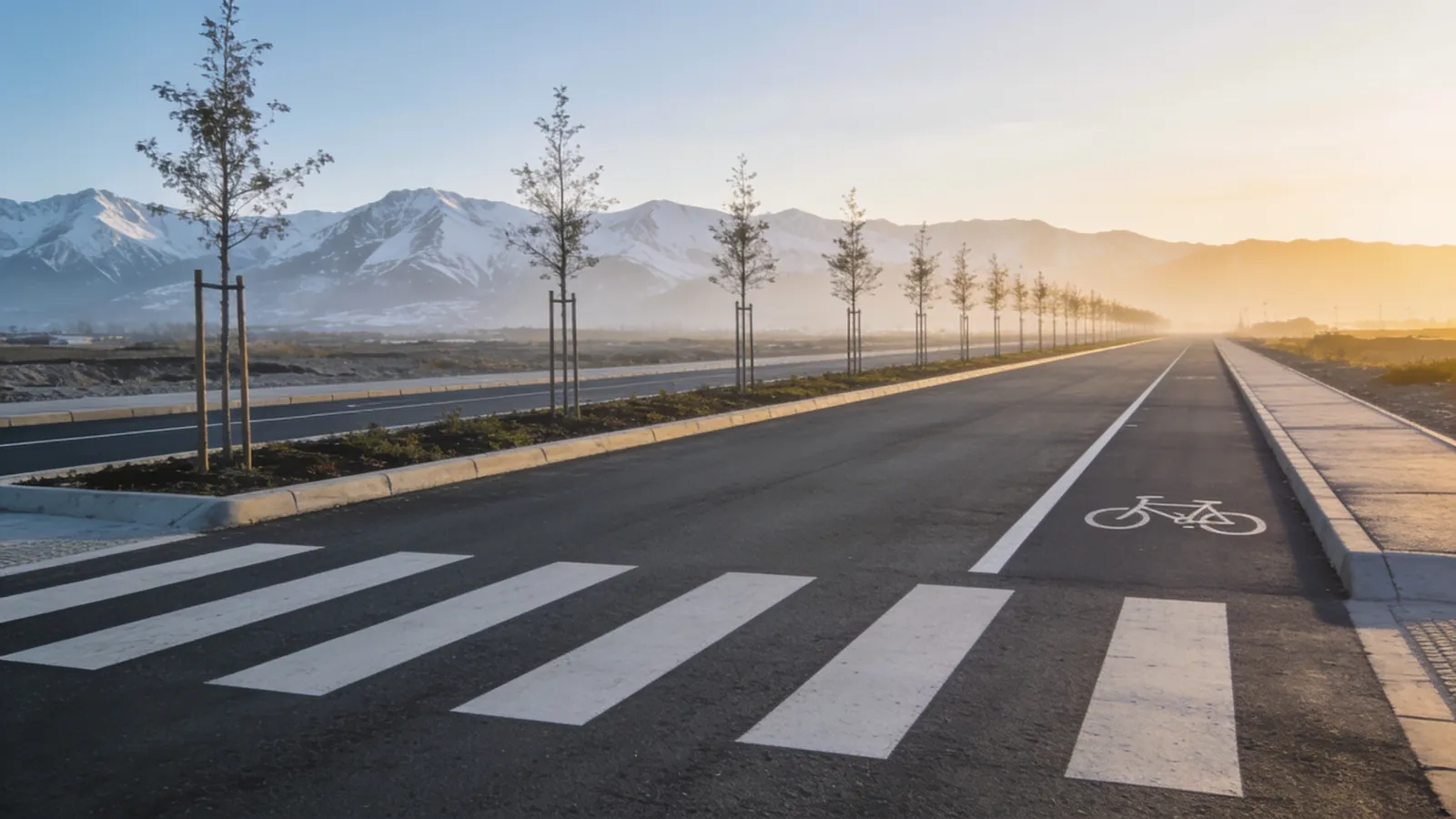
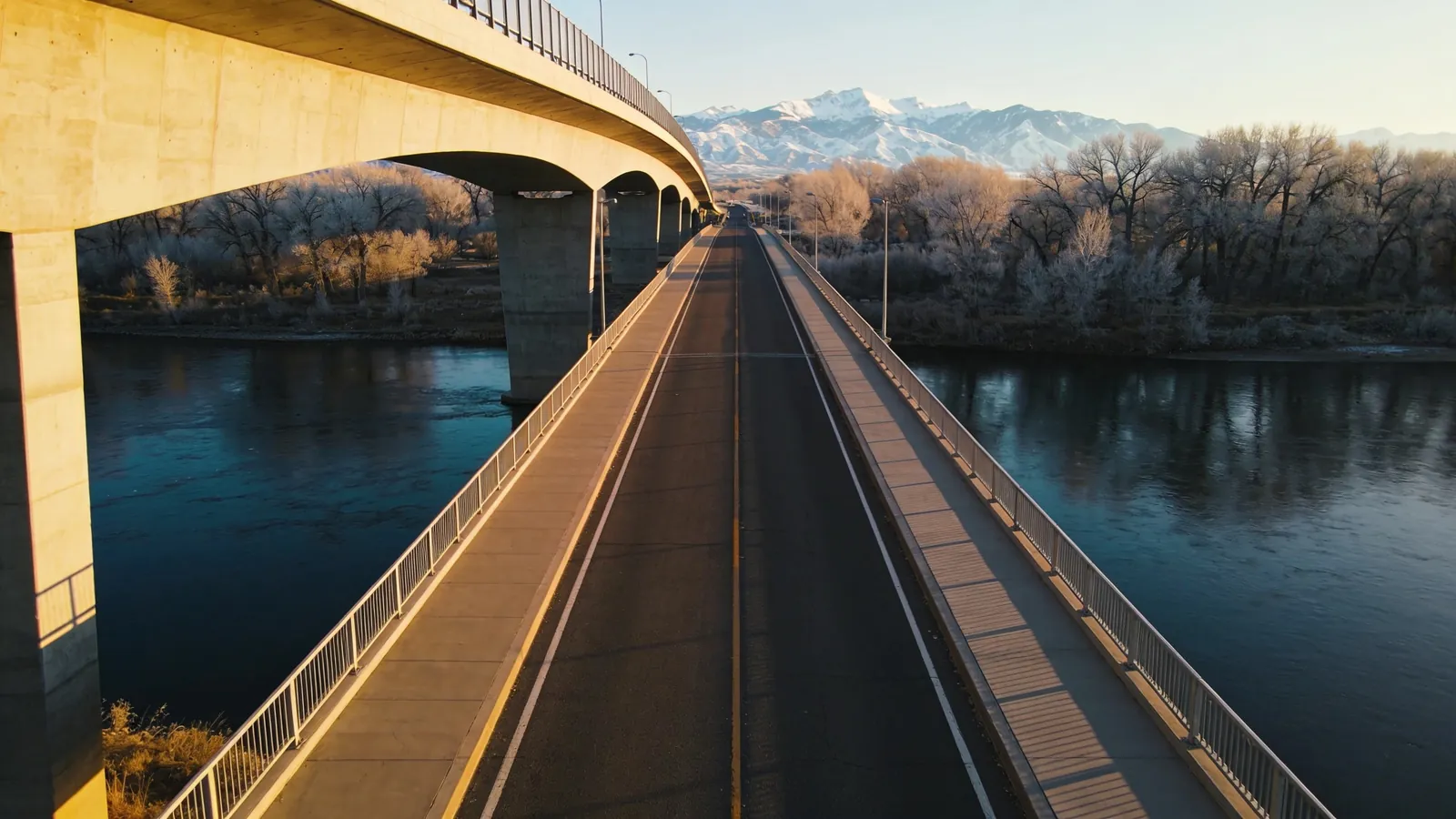
The city's Mayor's Office news release of November 9, 2026, titled "Salt Lake City completes a safer, more connected 600/700 North," says that after two years of construction, major roadwork is complete. It lists what the project delivered: fresh asphalt, new protected bike lanes, safer crosswalks, curb extensions, a center median to slow traffic and more than 200 new trees. City Engineer Mark Stephens is quoted as saying, "We kept all four travel lanes that people rely on." The release also says the 650 North Bridge over the Jordan River, built in partnership with UDOT, is designed to better withstand earthquakes and major floods and has more space for walking and biking. The road and bridge were built at the same time to reduce disruption, according to the city.
The release also invites neighbors to a community celebration on Thursday, November 12, from 5 to 7 p.m. at Backman Elementary, with dinner from the El Jaripeo food truck and activities for kids. I found the invitation, not a report of the event.
What was promised at the start
The city's own announcement of December 6, 2024 gave the case for the work in numbers: the corridor carries more than 21,000 vehicle trips a day, intersections account for 75% of crashes and angled crashes make up 57% of all incidents. It promised that the road would keep four lanes, with above-curb bike lanes, signalized crosswalks and upgraded traffic signals. It also warned that the 650 North Jordan River bridge replacement would bring a six- to eight-month closure and detour.
KSL's report of April 15, 2025 added the money and the schedule. It said the project would cost $20 million, funded by a city sales tax bond and UDOT's transportation investment fund, that work was starting that week, and that the city described a two-year project. It also said the timeline was uncertain and likely to cover more than one construction season, that UDOT was still choosing a contractor for the bridge and that the bridge closure could last up to eight months and possibly end as late as May 2026. A transit detour of Route 205 onto 500 North started the same week.
| What | At the start | At the end |
|---|---|---|
| Cost | $20 million (KSL, Apr 2025) | Not stated in what I read |
| Schedule | Two years, with a stated uncertainty | "After two years of construction" |
| Lanes | Four lanes kept (city, Dec 2024) | "We kept all four travel lanes" |
| Bridge closure | Up to eight months, possibly to May 2026 | Bridge built with UDOT; closure dates not confirmed |
What a project manager sees
Strip away the asphalt and the structure is familiar. Here are five habits that this public record shows, each of which works at the size of a kitchen remodel or a software release. They are my reading, not the city's.
1. Say why, with numbers
The city did not write "safety improvements." It wrote that 75% of crashes happen at intersections and that angled crashes are 57% of the total. A reason with a number is a reason that survives six months of complaints. On your project, write the reason in one sentence with one number, as in the project charter guide.
2. Keep the capacity people rely on
"We kept all four travel lanes" is a sentence about service continuity. The park project I wrote about on November 14 kept part of its space open for the market; this road kept its lanes. The habit is the same: during a rebuild, decide what must keep running and protect it. In business terms, it is the customer-facing process you do not shut down while you improve the back office. The process improvement guide has a way to choose.
3. Do two jobs once
The city says the road and the bridge were built at the same time to reduce disruption. Coordinating two owners (the city and UDOT) is harder than doing two jobs one after the other, and usually worth it, because the neighbors live through the mess once. It is the same logic as combining two customer visits into one. The cost is a heavier communication plan, with one calendar both owners trust.
4. Expect the schedule to be a range
KSL's own words in 2025 were that the timeline was uncertain. The bridge closure was described as "up to" eight months. A range with a stated maximum is honest, and it lets residents plan. It is better than a date that changes. If you give a customer a date, give the range behind it, and explain what would move it, as in the schedule guide.
5. Close the loop in public
The release says the work is complete, lists what was delivered and invites the neighbors to a celebration in the school where the first open house was held (the 2024 and 2025 open houses were also at Backman Elementary). That is a project handoff written for residents, not for engineers. After any project, tell the people who lived through it what changed and thank them. It costs a sentence and buys goodwill for the next project.
What I do not know
I read the city's release of November 9, 2026, the city's announcement of December 6, 2024 and KSL's report of April 15, 2025. I did not read the contract, the schedule or the budget. I do not know the final cost, who the contractor was, whether the finish matched the plan or whether any punch-list work remains. By my count the project ran about nineteen months from the KSL start date to the release, so "two years" may include earlier work; I do not know. I found the invitation to the celebration but no report of it. A search result I saw mentioned that a separate phase on the city's project page ran to November 17, 2026 and that landscaping and final electrical work were due by the end of November, but I could not read that page, so I treat it as unconfirmed. I will correct this post if any of this changes.
Related reading
For more public projects read through a project manager's eyes, see Pioneer Park's reopening, the UDOT season on I-215 West, Salt Lake County's $128 million bond and Utah's build-out for 2034. If you want these habits on your own work, the Project Focus series starts from one page.
This post summarizes public information as of November 15, 2026 and reflects my own reading, not an official position. Check Salt Lake City and UDOT for the official and final information.
Sources
- Salt Lake City Mayor's Office: Salt Lake City completes a safer, more connected 600/700 North (Nov 9, 2026)
- Salt Lake City Mayor's Office: Road and safety improvements coming to 600/700 North in 2025 (Dec 6, 2024)
- KSL: Massive overhaul of SLC road set to begin this week (Apr 15, 2025)
Facts come from the sources above. The reading of those facts is mine.
Everything new, once a month.
One email on the 1st of every month with everything new: articles, series parts, news, website updates, project results, where I am working and the business opportunities I am looking at. No spam.
- Fresh on the site right now
- ArticleMeasuring the Return of Automation: Hours, Errors and Cash, Counted Honestly
- NewsSalt Lake City finishes 600/700 North: what a $20 million road project teaches a project manager
- SeriesThe quote: from request to signed yes