News · 6 min read
Salt Lake County's $128 million recreation bond: what a project manager sees
Voters approved a $128 million recreation bond in early returns. Four buckets, a contingency, a priced scope change and $47 million of running costs.
 Dennis AlejoBusiness consultant · Project & operations manager · · 1,319 words
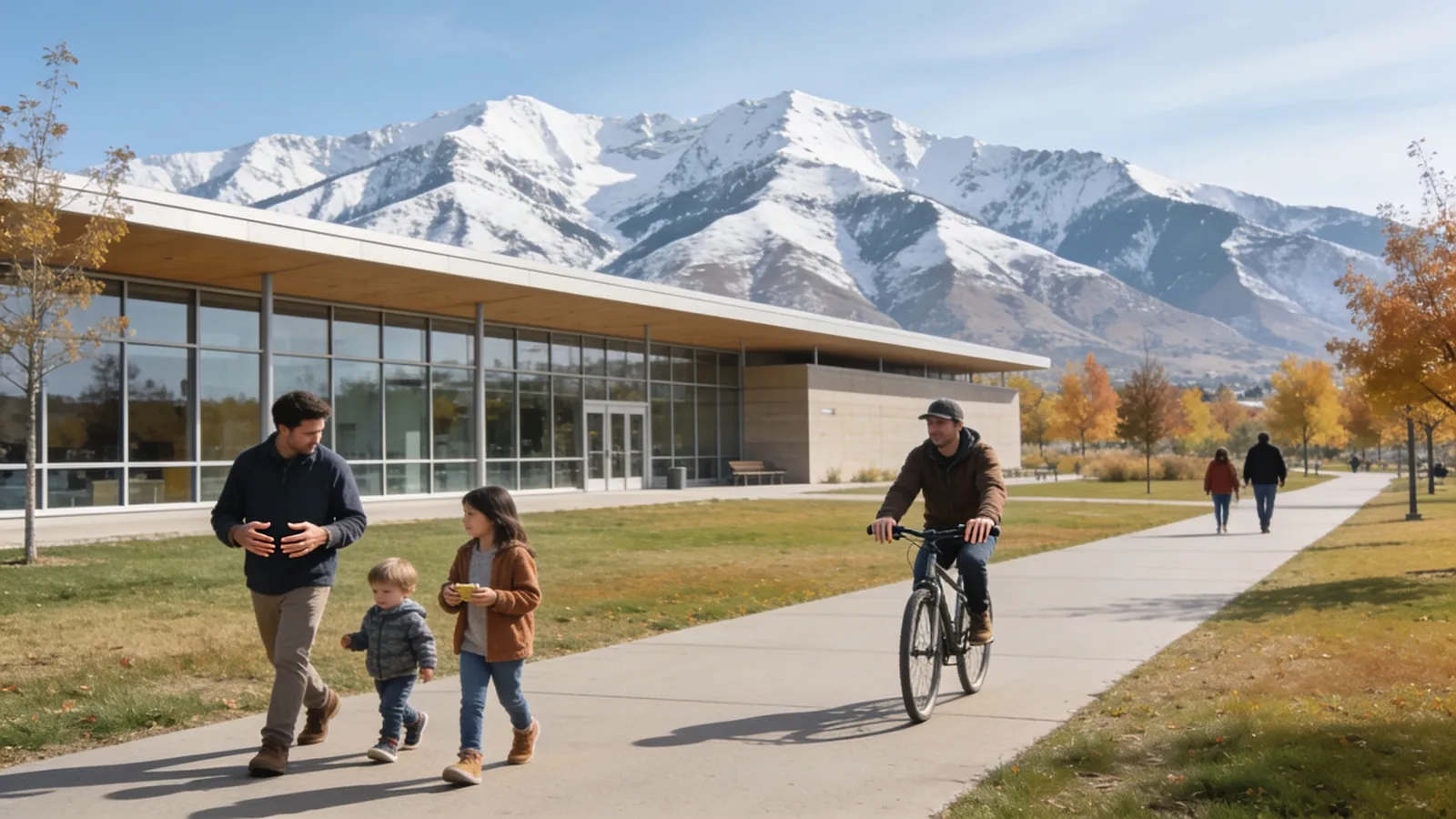
Most budgets are announced with a press conference and defended with a spreadsheet. This one was announced with a ballot. On November 3, voters across Salt Lake County were asked a simple question with a not-so-simple attachment: yes or no to $128 million for parks, trails, open space and recreation centers. Early returns said yes. Somewhere, a project manager looked at the number, then at the calendar, and began to smile in the nervous way that people do when a project is approved.
This post is a plain-language look at what the county has published about the bond, and what a small team can borrow from the way it was put together. I am an operations person, not a municipal finance expert, and this is not a tax or investment opinion. It is a reading, and I say so where the facts end and my reading begins.
What was decided
Salt Lake County's Recreation General Obligation Bond appeared on the November 3, 2026 ballot. According to the county's bond page, the county plans to issue it in two smaller issues that add up to about $128 million over the next five years, and each issue matures about ten years after it is issued. The ballot language allows a maturity of no more than 11 years.
The vote itself, as of the early count reported by KSL on November 4, was 61% to 39% in favor, from more than 243,000 votes counted. KSL's own summary line says 62%, so I will say "about 61 or 62" and leave it there. The important sentence in that story is the plain one: results are preliminary until the county certifies them later this month, and officials were not sure how many ballots were still to be counted. A leading result is a signal, not a verdict. That sounds familiar to anyone who has read a monthly economic release.
How the $128 million is split
The county's page lists four buckets, and I like them because each one answers a different question a project manager would ask:
- Build, $62.3 million. New things that do not exist today.
- Repair, $35.8 million. Existing facilities that need work to keep working.
- Complete, $21.1 million. Projects already started that need money to finish.
- Project contingency, $8.8 million. The backup funds for what nobody can predict.
Add them up and you get $128.0 million. The Salt Lake Tribune, reporting in October, describes the same split in rounded words: about $62.3 million for new projects, nearly $36 million for repairs, and nearly $30 million to finish existing work, with the contingency inside that last figure. The contingency is about 7 percent of the total (my arithmetic: 8.8 divided by 128), which is a visible, specific cushion and not a vague promise.
The bond covers 30 projects at 25 locations, including 2 new recreation centers and 29 miles of new trails, again according to the county. Reading the list of projects is a good exercise in itself: it mixes things that will be done in a year with things that will take most of a decade, and it says so.
The scope change that arrived with a price
Here is the part that I find the most useful for anyone who manages a project. The County Council first approved up to $100 million. Then, according to the Tribune and KSL, it added money so that allocations toward projects in West Jordan and in Salt Lake City would be covered, and approved up to $128 million in August. KSL reported that the increase was meant to help cover a new recreation center in West Jordan and a civic campus in Salt Lake City.
That is a scope change in the open. Somebody wanted two things on the list, the list got longer and the budget grew by $28 million, with a number attached and a date on it. Compare it with the way scope usually grows in a small business: a request in a corridor, a "while you are at it", and no change to the budget at all. If you have ever read how to stop scope creep, you know the difference. A scope change with a price is a decision. A scope change without one is a leak.
What it costs, and what it does not include
The county says the bond will not raise the net property tax rate, because older county bond debt is expiring. For an average home valued at $658,000, the estimated annual cost is $16.39, or $1.37 a month. For a business or a second home of the same value, it is $29.80 a year. The Tribune's reporting gives the same amount and notes that the new bonds replace expiring 2016 bonds. Those are the county's estimates, and your own tax bill is not mine to predict.
Now the line that is easy to miss. The county's page says operating costs are not paid from the bond. It estimates them at about $4,710,200 a year, about $47.1 million over the first ten years. That is more than a third of the size of the bond itself, over the life of the buildings, to keep the doors open, the lights on and the lifeguards employed. Project managers call this the difference between capital cost and lifecycle cost. A new recreation center is not finished when the ribbon is cut. It is finished when somebody has agreed to pay for next year. If you want the longer version of the budget story, project cost management covers the baseline, the contingency and the forecast in one place.
Five habits worth borrowing
These are my reading, not the county's. They work for a bakery as well as for a county.
1. Name your buckets. Build, repair, complete and contingency are four different questions. Most small projects mix them into one number and then cannot say why it grew.
2. Fund the contingency in the open. A contingency of about 7 percent with a name on it is a plan. A "we will manage" is a hope. If you want to see the difference between contingency and reserve in more detail, the PMBOK cost baseline post draws it.
3. Price every scope change. The jump from $100 million to $128 million carried a reason, a number and a date. Ask for the same three things whenever someone adds to your list.
4. Count the lifetime cost. The capital budget is one question and the operating cost is another. Put both in front of the decision-maker.
5. Say what is still preliminary. A 61 to 39 count is a good sign, and the county was honest that it is not final. Label your own numbers the same way: preliminary, forecast, committed or final.
What I do not know
I read the county's bond page, KSL's election-night story and the Salt Lake Tribune's explainer from October. I did not read the ballot language in full, the interlocal agreements or the individual project budgets. I cannot tell you which projects the county will build first, how the two bond issues will be timed, or what the certified result will be. I also have no view on the merits of the projects: that belongs to the voters and to the council.
Related reading
If you like this kind of reading of a public project, Utah is getting ready to build again for 2034 looks at another budget with a deadline, and downtown Salt Lake's three dates for the same project is a good companion on what "done" means. For the benefits side of a public facility, see benefits realization. And if you want these habits on your own project, the Project Focus series starts from one page.
This post summarizes public information as of November 13, 2026 and reflects my own reading, not an official position. It is not tax, legal or investment advice. Check Salt Lake County for the official and final information.
Sources
- Salt Lake County: Recreation General Obligation Bond (election Nov 3, 2026)
- KSL: Democrats on track to regain control of Salt Lake County Council; bond set to pass (Nov 4, 2026)
- The Salt Lake Tribune: What the $128 million bond would pay for (Oct 12, 2026)
Facts come from the sources above. The reading of those facts is mine.
Everything new, once a month.
One email on the 1st of every month with everything new: articles, series parts, news, website updates, project results, where I am working and the business opportunities I am looking at. No spam.
- Fresh on the site right now
- ArticleA One-Page AI Policy for Small Businesses: Nine Lines Your Team Will Read
- NewsSalt Lake County's $128 million recreation bond: what a project manager sees
- SeriesThe weekly rhythm: a 30-minute meeting that runs the business