Startups · 10 min read
The 90-Day Sprint: How Startups Use Project Focus to Find Their First Customers
Ninety days, three projects, one scoreboard. A practical way for startups to build leads, operations and sales at the same time.
 Dennis AlejoProject manager · Civil engineer · · 2,250 words

Startups have too many good ideas and not nearly enough hours. A founder with a dozen promising directions is a little like a restaurant with a forty-page menu: every dish might be delicious, but the kitchen is in tears and nobody can remember what the house is actually good at. The fix is almost never more discipline, more coffee or a better to-do app. The fix is fewer projects.
That is the idea behind the ninety-day sprint, a format I like to use with early-stage teams and that fits naturally into my approach, Project Focus. Ninety days is a quarter. It is long enough to see real results and short enough that nobody can hide behind "we are still exploring." In that window, you pick three projects, one for each of the engines that make a business grow, you give each a single measurable goal and a single owner, and you review them every week.
I developed a taste for this kind of structure managing projects of very different sizes, from small road maintenance portfolios to programs with budgets in the tens of millions and more than a thousand people. The scale changes; the principle does not. Focus is not about doing more. It is about knowing what not to do this quarter. In this article I will show you how to run a sprint step by step: why ninety days, how to choose the three projects, how to pick numbers that tell the truth, what the calendar looks like and what usually goes wrong. In the middle there is a tool that builds a one-page sprint plan you can copy. At the end, a comment box where I would like to hear which three projects would be in yours.
Why ninety days
There is nothing magical about the number, but there is something useful about the shape. A week is too short to see whether a channel, a process or an offer is working. A year is so long that urgency evaporates and plans become fiction. A quarter sits in the middle: long enough for a project to produce evidence, short enough to keep everyone honest, and a natural unit that the whole team already understands.
A ninety-day horizon also changes how people argue. When a plan covers a year, every discussion becomes theoretical: "someday we should..." When it covers a quarter, discussions become practical: "do we have room for this, and if so, what are we dropping?" Constraints sharpen thinking. A team that has promised itself three projects until the end of the quarter will get very good at saying "great idea, it goes on the list for next time."
Three engines, three projects
Most small businesses grow through the same three engines, and the sprint assigns one project to each.
- Leads: more of the right people discovering you. A project here might test one channel properly, such as referrals, content, direct outreach or paid ads, rather than dabbling in four.
- Operations: a back end that can say yes to new demand without breaking. A project here might fix a process that will hurt as soon as customers arrive, such as onboarding, delivery or reporting.
- Sales: turning interest into revenue. A project here might tighten follow-up, improve a proposal, track the pipeline or clarify the offer.
The reason for one project per engine is that growth fails at the weakest link. Leads without operations means customers who arrive to chaos. Operations without leads means a beautiful machine with nothing to process. Sales without either means heroic effort building on sand. Working on all three, a little at a time, keeps the whole system moving together.
How to pick the projects
The hardest part of a sprint is choosing, because every founder can see a dozen things that need fixing. Three filters make it easier. For every candidate project, ask:
- Impact: if this works, how much does it move the business in ninety days?
- Evidence: what makes us believe it will work? A customer request, a pattern in the numbers, a competitor's move, or just a hunch?
- Effort: can a small team realistically finish a meaningful version in a quarter?
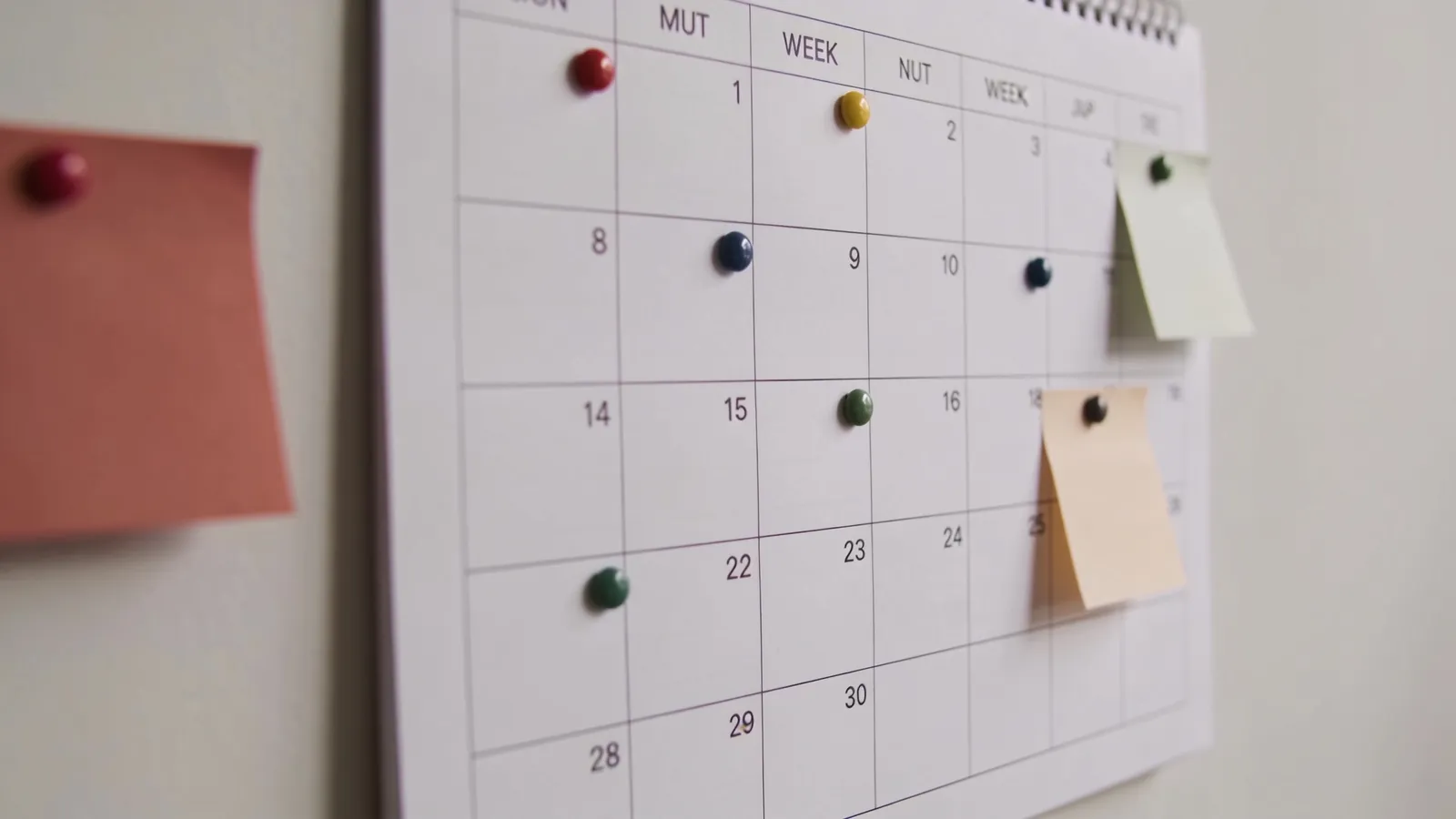
Write the candidates on sticky notes and score them quickly. Then do something that most teams skip: write a second list called "Not this quarter." Naming what you are deliberately postponing is not pessimism. It is protection. When someone proposes a new idea in week six, you can point to the list and ask, calmly, which of the three projects it should replace.
One number per project
A project without a number is a hobby. For each of the three projects, choose one number that will tell you every week whether it is working. Just one. A project with five metrics usually has none, because nobody knows which to look at when they disagree.
The best numbers are usually things you can influence directly, in the short term, rather than things that only change after months. Some examples:
- Leads project: qualified conversations started per week, rather than total website visits.
- Operations project: days from signed customer to first value delivered, rather than "customer satisfaction" measured once a year.
- Sales project: share of leads followed up within a day, or days between first call and proposal.
Avoid vanity numbers, such as followers or page views, unless they clearly connect to a business outcome. And write down the starting value before you do anything. A project that improves a number from a baseline nobody recorded is a story. A project that improves a recorded baseline is evidence.
The twelve-week calendar
A sprint has a simple rhythm, and the rhythm is the point.
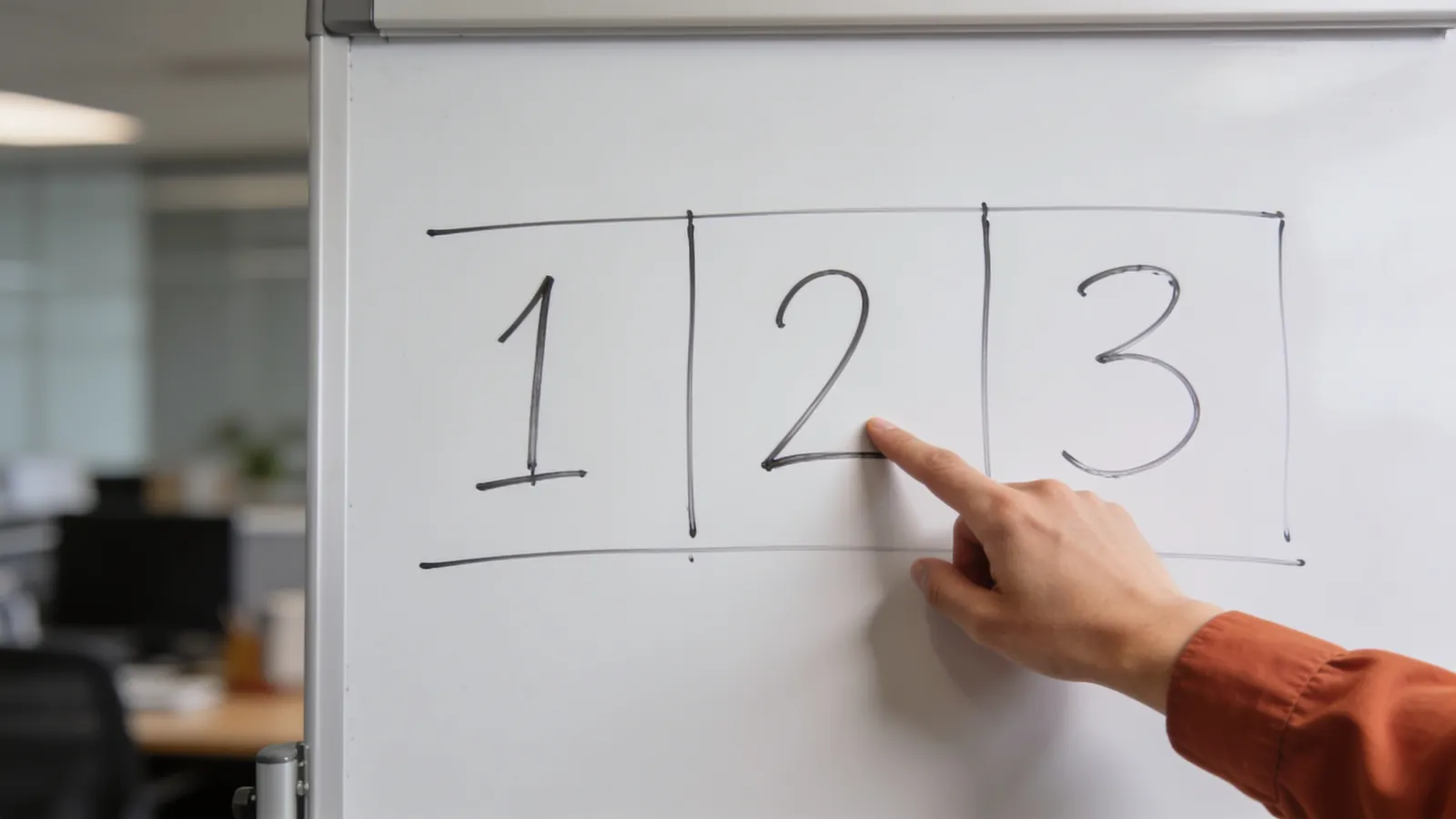
- Week 1: set up. Confirm the three projects, name the owners, write down the baseline for each number and agree on the weekly meeting time.
- Weeks 2 to 11: build, test, adjust. Each owner works the project, and the team meets once a week for thirty minutes.
- Week 12: review and reset. Look at the three numbers, decide what to keep, stop or scale, and choose the next three projects.
Notice how little ceremony is involved. There is no consultant, no software license and no two-day offsite required. A shared page with three projects, three numbers and a weekly check-in is enough to change how a team works.
The weekly thirty minutes
Keep the weekly review short and predictable. A simple agenda works well:
- The scoreboard (five minutes). Each owner reports the number, up or down, and says why.
- What happened (ten minutes). Each owner shares one thing they learned or finished, and one thing in their way.
- What is next (ten minutes). Each owner commits to the next week's single most important action.
- Help and decisions (five minutes). Anything that needs the team or the founder, and who will do it by when.
The magic is in the repetition. By week four, the team has stopped describing activity and started discussing results. By week eight, problems surface early because people know the number will be on the board on Monday. That is what makes the sprint feel different from a typical planning exercise: it is a rhythm, not a document.
Owners and decisions
Every project needs exactly one owner, someone who is accountable for the number and who can say, on any day, how it is doing. The owner does not have to do all the work, but they hold the thread. In a three-person company, that may mean each founder owns one project. In a larger team, it may be a manager.
Also decide up front who can change the plan. A sprint falls apart when anyone can add a fourth project in week three because they had a good idea in the shower. A simple rule helps: a project can be changed or swapped only at the weekly meeting, only by explicit decision, and only if something of equal size comes off the list.
How sprints go wrong
I have seen the same failure modes often enough to list them.
- Too many projects. Five is not a sprint, it is a to-do list. Three is a stretch for most small teams.
- Vague goals. "Improve marketing" cannot be reviewed. "Start twelve qualified conversations a week from referrals" can.
- No owner. A project everybody owns is a project nobody owns.
- Moving the goalposts. Quietly changing the target mid-quarter because the original one looked hard destroys the learning.
- Skipping the review. The sprint ends, the next one begins and nobody asks what happened. The review is where the compounding happens.
- Hiding bad news. A project that is stuck should say so early. A team that celebrates early warnings gets help sooner.
Try it: build your sprint plan
Here is a tool to draft your own sprint. Pick one project for each engine and the tool produces a one-page plan with a number to watch and a weekly rhythm. Copy it into your notes and adjust it.
The most valuable thing about this plan is not the text. It is that you chose, and that three specific things now have your name next to them. Everything else is detail.
A sample sprint
To make this concrete, imagine a small online training business with three people (a made-up example). Their leads project is to test referrals from past students, with the number being qualified conversations started per week. Their operations project is to make onboarding smooth, with the number being days from payment to first lesson completed. Their sales project is to fix follow-up, with the number being the share of inquiries answered within a day.
Notice what is missing. There is no new website, no rebrand, no big product launch, because those are on the "not this quarter" list. By the end of ninety days, the team does not have everything. It has three working improvements, three numbers with a baseline and a trend, and a sharp sense of what to do next. Stack four of those quarters together and the business looks very different from the one that tried to do everything at once.
Where automation and AI fit
Many sprint projects benefit from automation, but order matters. First make the process clear and measurable, then automate the repetitive parts. If your sales project is better follow-up, the sprint might include writing the follow-up messages and then automating their timing, as described in seven workflows every small business should automate. If it involves an AI assistant for first replies, AI agents for sales shows how to introduce one safely. And the discipline of owners, dates and a weekly rhythm is the same one explored in what a construction site can teach your startup about deadlines.
Introducing the sprint to a skeptical team
Some teams hear "ninety-day sprint" and imagine meetings, reports and a manager with a stopwatch. The best way to win them over is to start small and make it useful on day one. Do not announce a new system. Propose an experiment: "For one quarter, we will try three projects, one number each and a thirty-minute weekly check-in. If it does not help, we will stop."
Let the team choose at least one of the three projects, so it feels like their plan rather than something done to them. Keep the first meeting short and light, and make the board visible. Then protect the team's time: if the sprint adds work without removing any, it will fail. When people see that the weekly check-in replaces three scattered conversations, and that they can say "not this quarter" to a distraction without guilt, the skepticism melts. The format survives not because anyone enforces it, but because it makes their week easier.
What happens at day ninety
Week twelve is the most important meeting of the quarter, so give it real time. For each project, look at the number against the baseline and ask three honest questions. What did we learn? Is this worth continuing, scaling or stopping? What is the next most valuable project for this engine?
Keep what worked, and stop what did not without drama. A stopped project is not a failure if it taught you something cheaply. Then choose the next three, write the new "not this quarter" list and start again. Over a year, you will have run four sprints and made twelve deliberate bets, which is far more than most teams manage when they try to do everything at once. If you would like to see how I would run the first one, Project Focus is the method.
Which three projects would be in your next ninety days? Tell me in the comments below.
Go deeper. If you are choosing the three projects, project governance for small teams gives you just enough structure to run them, risk management for small business helps you see what could derail them and keeping your executive sponsor engaged is useful if you report to a board or an investor.
Keep reading. Not sure whether outside help would speed up your sprint? Read what a business consultant does, and when you need one.
Related. The whole method on one page is in Project Focus on one page, the first chapter of a weekly series.
Also read. Starting in Utah? The Utah small business resource guide maps the free advisers and the offices.
Also read. The same sprint, applied to your own career: how to start a consulting business in 90 days.
Working in Utah? The Utah business series runs a local business like a project, one part a week.
Frequently asked questions
Why only three projects in a ninety-day sprint?
Three keeps focus while still covering the main engines of growth: leads, operations and sales. Most small teams can finish three projects well in a quarter, but struggle to finish five. Fewer projects mean more attention, clearer results and faster learning.
What if my business needs more than three things fixed?
Write the extra items on a "not this quarter" list and revisit it during the week-twelve review. Postponing is not ignoring. It lets you finish the most important things properly and choose the next set with more information.
How do I choose the right number for a project?
Pick one number you can influence within a few weeks and that connects to a business outcome, such as qualified conversations per week or days from payment to first value. Record the starting value before you begin, so you can see real change.
Can I run a sprint without special software?
Yes. A shared page listing the three projects, owners, baseline numbers and weekly updates is enough. The value comes from the rhythm of the weekly review, not from the tool.
Everything new, once a month.
One email on the 1st of every month with everything new: articles, series parts, news, website updates, project results, where I am working and the business opportunities I am looking at. No spam.
- Fresh on the site right now
- ArticleStakeholder Analysis: Interviews, Not Guesses
- NewsA second $2 million loan for a Main Street rebuild: what a project manager sees in a stack of money
- SeriesWhen to automate and when to add an AI agent
Join the conversation
Did this help? A quick reaction tells me what to write next.
Be the first to react.



Loading comments…